Validating Entries in Joint Promotional Campaigns Through Channel Cross-Checks
Greta Simmons · Aug 17, 2026
Validating Entries in Joint Promotional Campaigns Through Channel Cross-Checks
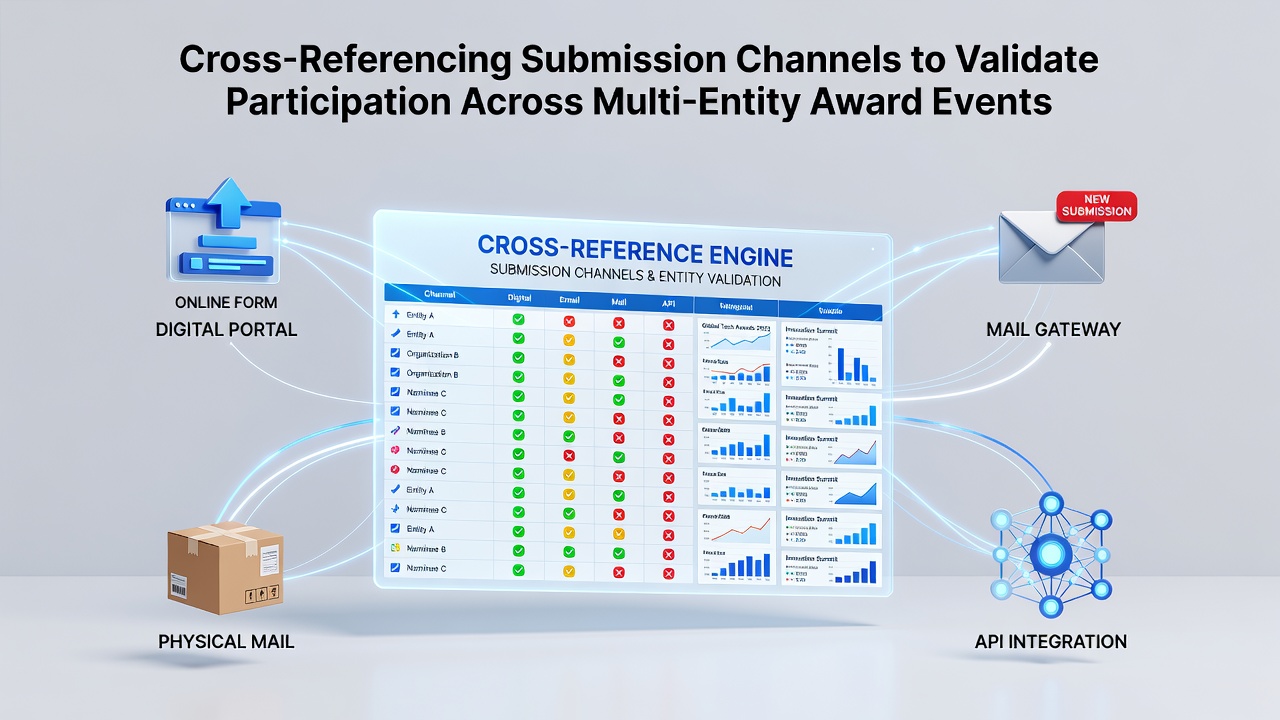
Multi-entity award events rely on coordinated submission channels where participants enter through partner websites, mobile apps, and retail locations, and organizers use cross-referencing systems to confirm that each entry meets eligibility criteria across all involved parties. These systems compare timestamps, user identifiers, and offer redemptions in real time, which prevents duplicate claims while maintaining accurate participation records for prize distribution. Research from regulatory bodies shows that such matching protocols have become standard in events spanning multiple sponsors since they reduce processing errors during selection phases.
Core Mechanisms of Data Matching
Entry validation begins when a participant submits information through one channel and the system logs it against records from others, using unique codes and IP address patterns to detect overlaps. In August 2026 several national promotions adopted enhanced matching software that pulled data from both digital portals and in-store kiosks, allowing administrators to flag inconsistencies within hours rather than days. Observers note that this approach aligns with guidelines from the Federal Trade Commission on transparent promotional practices, where accurate record-keeping supports fair winner selection.
Timestamp verification plays a central role because entries carry precise submission times that must align with campaign windows across partners, and any mismatch triggers manual review. Those who manage these events report that combining data from email confirmations with app-based entries creates a fuller picture of engagement trends without relying on single-source reports. The process also incorporates redemption tracking for partner offers, since incomplete actions often lead to automatic disqualification under the stated rules.
Regulatory Context and Industry Standards
Government agencies in various regions set expectations for how sponsors handle cross-entity data, and the Australian Competition and Consumer Commission has published guidance on maintaining clear records during multi-brand campaigns. Industry reports from academic institutions further indicate that organizations applying consistent cross-referencing see fewer disputes during claim periods because participants receive confirmation only after verification completes. This method supports compliance with disclosure requirements that list all participating entities and their respective entry paths.
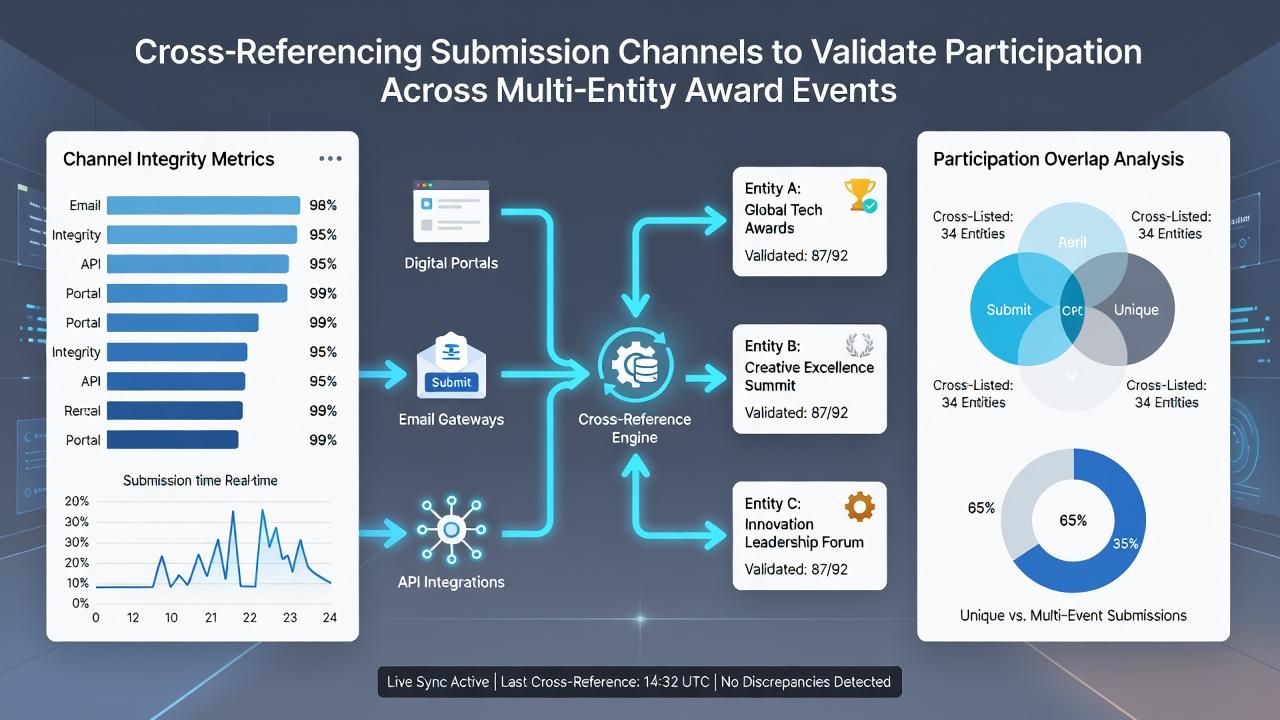
Equity considerations arise when algorithmic filters scan the combined dataset for patterns that might indicate automated submissions or geographic clustering, and adjustments follow documented criteria rather than ad hoc decisions. Data from recurring events demonstrates that these filters help distribute selections evenly across regions when multiple partners contribute prize pools. Those overseeing the systems emphasize that transparency in the matching criteria appears in official rules, which list the data points reviewed and the retention periods applied.
Implementation Examples Across Regions
One documented case involved a multi-state promotion where entries from social media platforms were matched against retail receipt uploads, resulting in the identification of invalid duplicates before the drawing date. Canadian regulatory updates around promotional contests encourage similar verification steps, and reports from the Competition Bureau note that sponsors who document these steps experience smoother audits. European trade associations have issued parallel recommendations focused on data minimization while still achieving reliable validation across borders.
Participant pathways become clearer when cumulative entry monitoring reveals how individuals navigate different channels over time, and organizers use this information to refine future campaigns without altering selection odds. Studies from research universities highlight that timestamp logging combined with partner data sharing maintains selection integrity in events that repeat annually. The approach also assists with claim processing because verified entries carry traceable confirmation numbers that link back to the original submission source.
Conclusion
Cross-referencing submission channels provides the foundation for reliable participation tracking in multi-entity award events by connecting disparate data streams into a single verifiable record. Regulatory guidance from multiple jurisdictions and operational reports from event organizers confirm that these protocols support accurate prize allocation while meeting disclosure standards. As campaigns continue to expand across digital and physical touchpoints, the methods described remain central to maintaining consistent validation practices.