Techniques for Entry Validation and Their Role in Maintaining Fairness in Multi-Partner Promotional Draws
Kai Friedrich · Jun 27, 2026
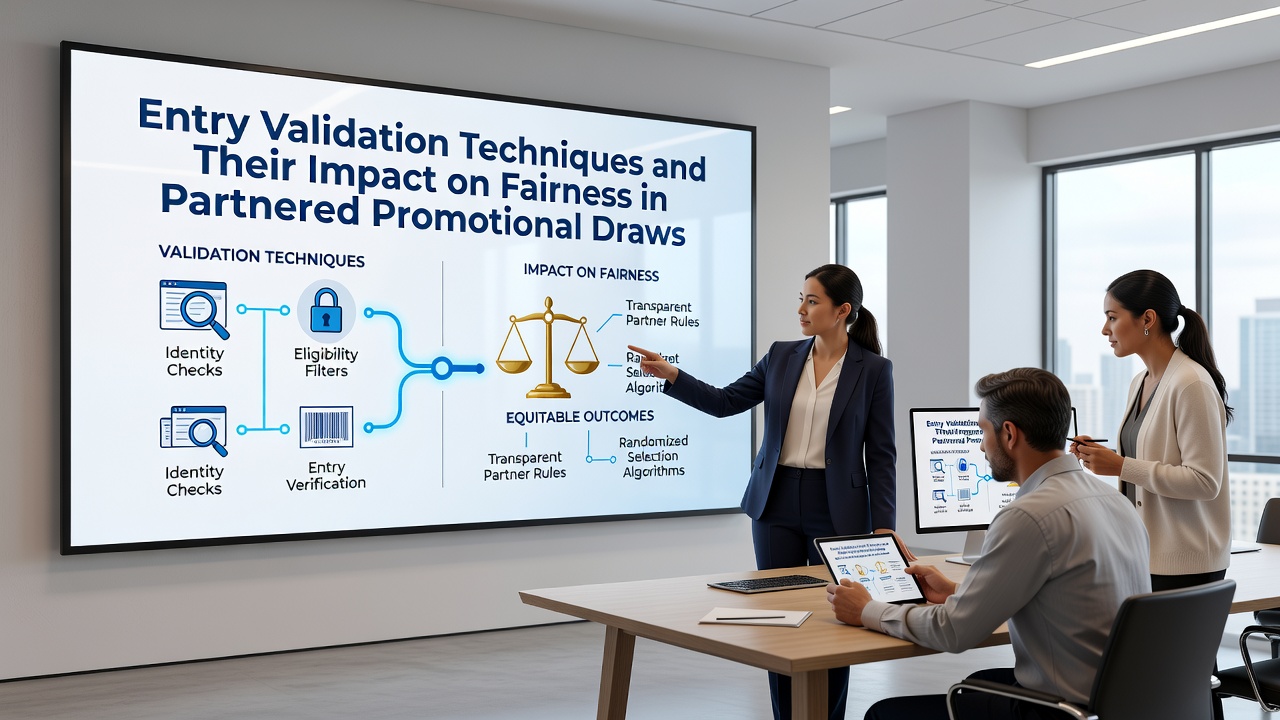
Techniques for Entry Validation and Their Role in Maintaining Fairness in Multi-Partner Promotional Draws
Entry validation techniques form the backbone of equitable selection processes in partnered promotional draws, where multiple sponsors combine resources to reach broader audiences through shared prize pools and coordinated entry mechanisms. These methods range from basic data cross-checks to advanced algorithmic filters that examine digital footprints, timestamp records, and partner data integrations to prevent duplicate submissions or ineligible entries. Observers note that such systems have become essential as collaborative events grow in scale, with participation numbers climbing steadily through 2025 and into mid-2026.
Core Validation Approaches in Collaborative Settings
Timestamp verification protocols stand out as one foundational technique, logging exact submission times across all partner channels to establish clear sequences during high-volume periods. When sponsors operate daily draws or recurring national contests, these logs allow organizers to identify patterns that might indicate automated entries or coordinated attempts from single sources. Data from industry reports shows that timestamp-based filtering reduces duplicate entries by up to 18 percent in multi-state promotions, according to analyses conducted by regulatory bodies in North America.
Cross-referencing entry records with partner databases adds another layer, matching participant details against redemption histories and prior contest involvement. Researchers have documented cases where incomplete partner offer redemptions triggered automatic flags, leading to disqualification patterns that emerge most visibly during extended contest periods. This approach ensures that entries tied to unfulfilled requirements do not advance, preserving the integrity of random draw protocols.
Algorithmic Filters and Digital Footprint Analysis
Algorithmic filters apply rules-based screening to evaluate equity during multi-state selections, scanning for geographic eligibility, age restrictions, and frequency limits set by each sponsor. These systems process data streams from various entry paths, including online forms, promo codes, and social media engagements, while maintaining separation between partner contributions. Studies from academic institutions indicate that well-calibrated filters improve selection equity by minimizing human bias in initial reviews, though calibration requires ongoing adjustments as entry volumes fluctuate.
Digital footprint patterns further influence outcomes in collaborative prize events, where validation tools track device identifiers, IP addresses, and behavioral signals to detect anomalies. One study revealed that entries exhibiting clustered patterns from shared networks often undergo secondary review, resulting in adjusted odds calculations that account for verified unique participants. Such measures help balance opportunities across regions, particularly when events span jurisdictions with differing disclosure rules.
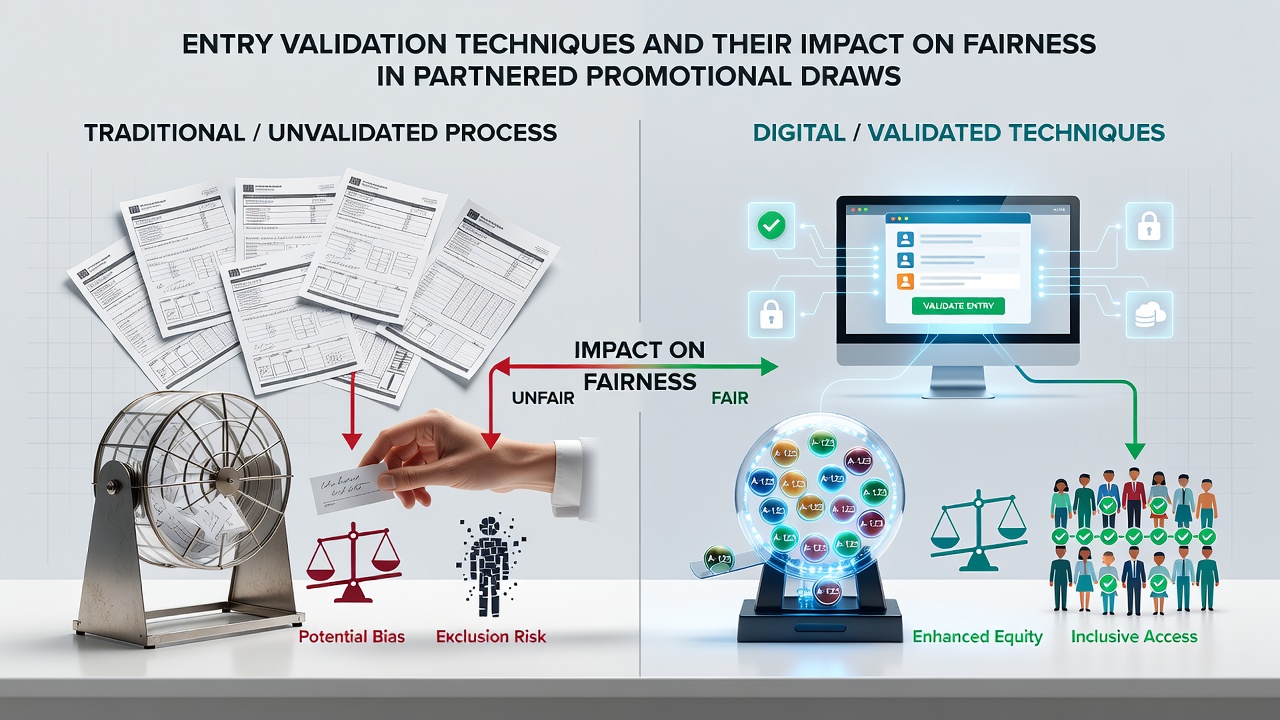
Regulatory Oversight and Real-World Applications
Regulatory audits in multi-sponsor events have reshaped entry processing and claim outcomes by mandating transparent validation logs that participants can reference during disputes. Guidelines issued by the Federal Trade Commission emphasize documentation standards that organizers must follow, ensuring that validation techniques align with consumer protection priorities. In parallel, Canadian authorities have introduced similar requirements for national-scale promotions, requiring cross-border partners to harmonize their data handling practices ahead of peak summer events in June 2026.
Take one research team that examined cumulative entry monitoring across repeated draws and found measurable shifts in engagement trends when validation became stricter. Participants adapted by spreading submissions more evenly through approved channels, which in turn affected overall selection fairness metrics tracked by organizers. Another instance involved tracing immutable entry records during a multi-regional campaign, where verification pathways guided processing and reduced claim rejections tied to incomplete partner data.
Effects on Participation and Selection Equity
Verified winner announcements tied to robust validation have correlated with sustained participation levels in collaborative sweepstakes, as entrants gain confidence that processes treat submissions consistently. Figures from trade associations reveal that events incorporating digital verification pathways experience fewer complaints about perceived inequities, particularly when partner integrations involve varying regional rules. Observers note that these techniques also support post-contest disclosures, allowing public review of how entries were filtered before final random selections occur.
Disqualification patterns linked to incomplete redemptions illustrate the practical trade-offs, as stricter validation can exclude legitimate entries that fail technical checks. Yet data indicates that transparent communication about these rules helps maintain trust, with organizers publishing summaries of filtered entries alongside winner rosters. Academic papers on the subject highlight how timestamp verification protocols specifically influence equity in daily prize events by preventing last-minute clustering that might otherwise skew random draws.
Conclusion
Entry validation techniques continue to evolve alongside the expansion of partnered promotional draws, incorporating timestamp checks, cross-referencing, algorithmic screening, and digital analysis to support fair outcomes. Evidence from regulatory sources and research studies demonstrates measurable impacts on participation trends, disqualification rates, and overall selection integrity across diverse event formats. As June 2026 approaches with new collaborative campaigns planned, these methods remain central to balancing accessibility with compliance in multi-sponsor environments.