Synchronization Techniques Across Promotional Partners Determining Equity in Recurring Selections
Greta Simmons · Jul 22, 2026
Synchronization Techniques Across Promotional Partners Determining Equity in Recurring Selections
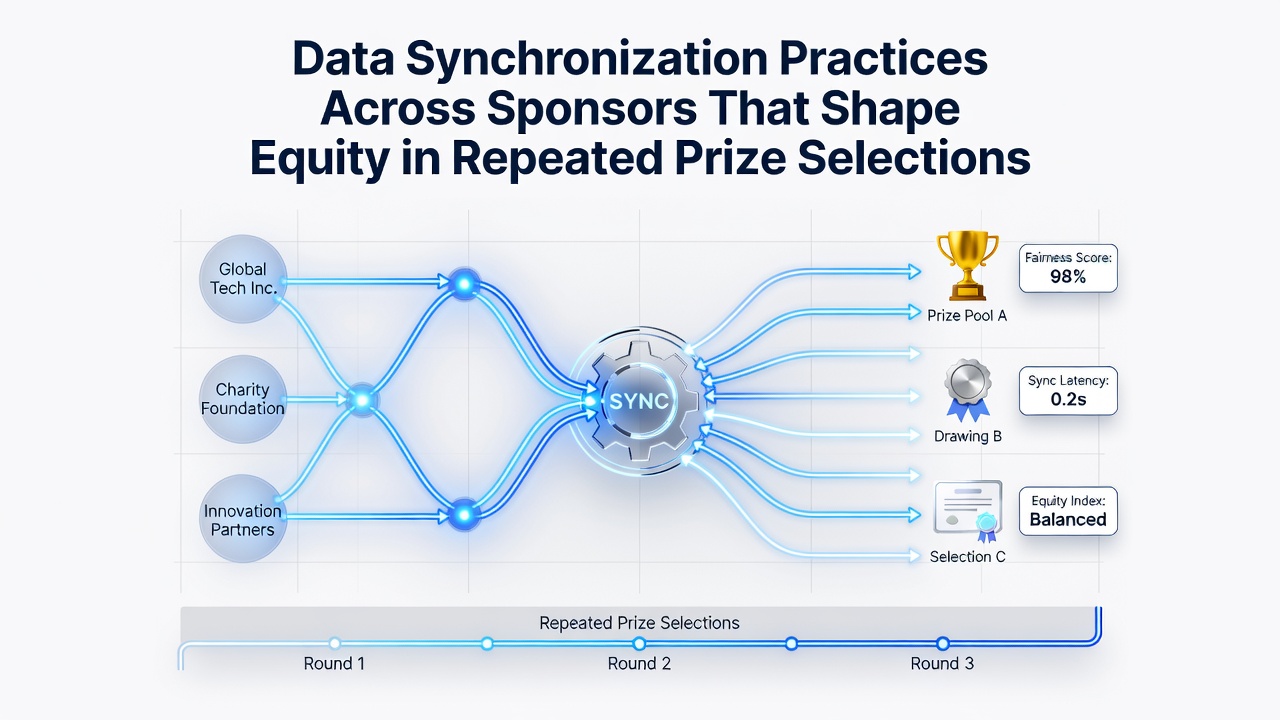
Promotional sponsors increasingly rely on synchronized data systems to coordinate entry records across repeated prize draws, and these practices directly influence how selections maintain fairness over multiple cycles. Multiple partners collect participant details through varied channels yet must align timestamps, eligibility flags, and entry counts to prevent duplicates or omissions that could skew outcomes. Research from regulatory audits indicates that such alignment reduces discrepancies in multi-state events where daily or weekly draws occur under shared prize pools.
Core Mechanisms of Data Alignment
Centralized databases serve as the foundation where sponsors feed information into unified platforms that timestamp entries upon receipt, and cross-referencing protocols then verify consistency before each selection round. Automated scripts compare records from partner sites against a master ledger while flagging anomalies such as mismatched addresses or repeated submissions from the same device identifiers. Data from industry reports shows these steps occur in real time during high-volume periods, allowing adjustments before draws proceed.
Encryption standards protect the transfer of sensitive details between organizations, and access controls limit which team members view combined datasets during processing windows. In July 2026, federal guidelines emphasized standardized formats for entry logs to streamline these exchanges across jurisdictions. Observers note that partners adopting common schemas experience fewer processing delays when handling national campaigns with overlapping participant bases.
Impact on Selection Equity
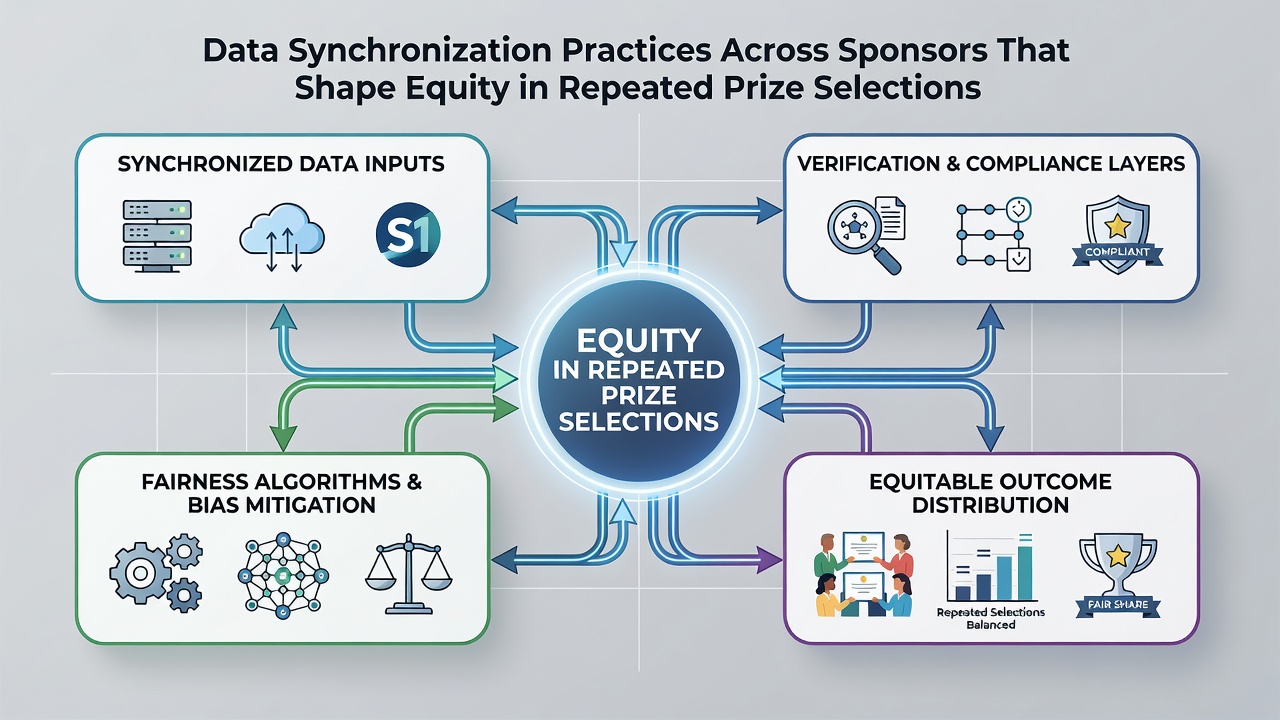
Equity in repeated selections depends on uniform application of rules once records merge, and synchronized systems enforce this by applying identical filters for age, residency, and prior wins across all sources. Without alignment, one sponsor's incomplete data might allow ineligible entries to persist while another sponsor's stricter checks exclude valid ones. Studies from academic institutions reveal that synchronized environments correlate with lower variance in winner demographics over sequential events.
Timestamp verification plays a key role because entries logged at different partner servers require reconciliation to a single chronological order before random selection algorithms activate. Discrepancies arise when network latency creates offsets of several seconds, yet reconciliation tools resolve these through agreed tolerance thresholds. Evidence from multi-partner events indicates that precise ordering prevents earlier submissions from one channel gaining unintended advantages in time-based tiebreakers.
Regulatory and Technical Standards
Government agencies such as the Federal Trade Commission require disclosure of data handling methods in official rules, which prompts sponsors to document synchronization steps publicly. Compliance teams audit merged datasets quarterly to confirm that no single partner retains disproportionate influence over final participant lists. Canadian authorities through the Competition Bureau have issued parallel expectations that emphasize transparency in how cross-border entries integrate without introducing regional biases.
Technical frameworks incorporate blockchain elements in some deployments to create immutable logs of every data merge, and these records allow independent reviewers to trace how an entry traveled from initial submission to the selection pool. University-led analyses of promotional datasets demonstrate that immutable trails reduce disputes during claim periods by providing verifiable audit trails. Partners that implement such layers report smoother regulatory reviews when events span multiple months.
Case Patterns in Multi-Sponsor Events
One recurring pattern involves retail chains partnering with media outlets where each collects entries through distinct apps yet must merge counts to cap total submissions per individual. Synchronization routines detect when a participant exceeds limits by aggregating activity across both platforms within minutes of each upload. Figures from operational summaries reveal that real-time merging cuts over-submission incidents by measurable margins compared with batch processing methods used previously.
Another observed approach appears in travel reward programs that align with consumer goods brands during seasonal campaigns, and here geographic data fields require normalization because postal code formats differ between regions. Automated mapping tools convert entries into consistent structures before eligibility checks run, which prevents valid regional participants from exclusion due to formatting alone. Research indicates these conversions preserve equity when draws occur repeatedly across the same partnership.
Conclusion
Data synchronization practices continue to evolve as sponsors refine protocols to support larger scale recurring selections, and ongoing refinements focus on faster reconciliation alongside stronger privacy safeguards. Consistent application of these methods across partners supports equitable access for entrants while meeting disclosure expectations from oversight bodies. Future iterations will likely incorporate additional machine learning checks to identify subtle patterns that current rule sets might overlook during high-frequency draw cycles.