Regulatory Audits in Multi-Sponsor Events Reshape Entry Processing and Claim Outcomes
Greta Keller · Jun 8, 2026
Regulatory Audits in Multi-Sponsor Events Reshape Entry Processing and Claim Outcomes
Regulatory audits in multi-sponsor promotional events introduce structured verification layers that directly modify how organizers handle entry forms and how participants complete grand prize claims. These reviews examine compliance with eligibility rules, data accuracy, and disclosure requirements across all participating sponsors, which often extends processing timelines and adds documentation checkpoints before selections occur.
Entry Form Processing Adjustments Under Audit Protocols
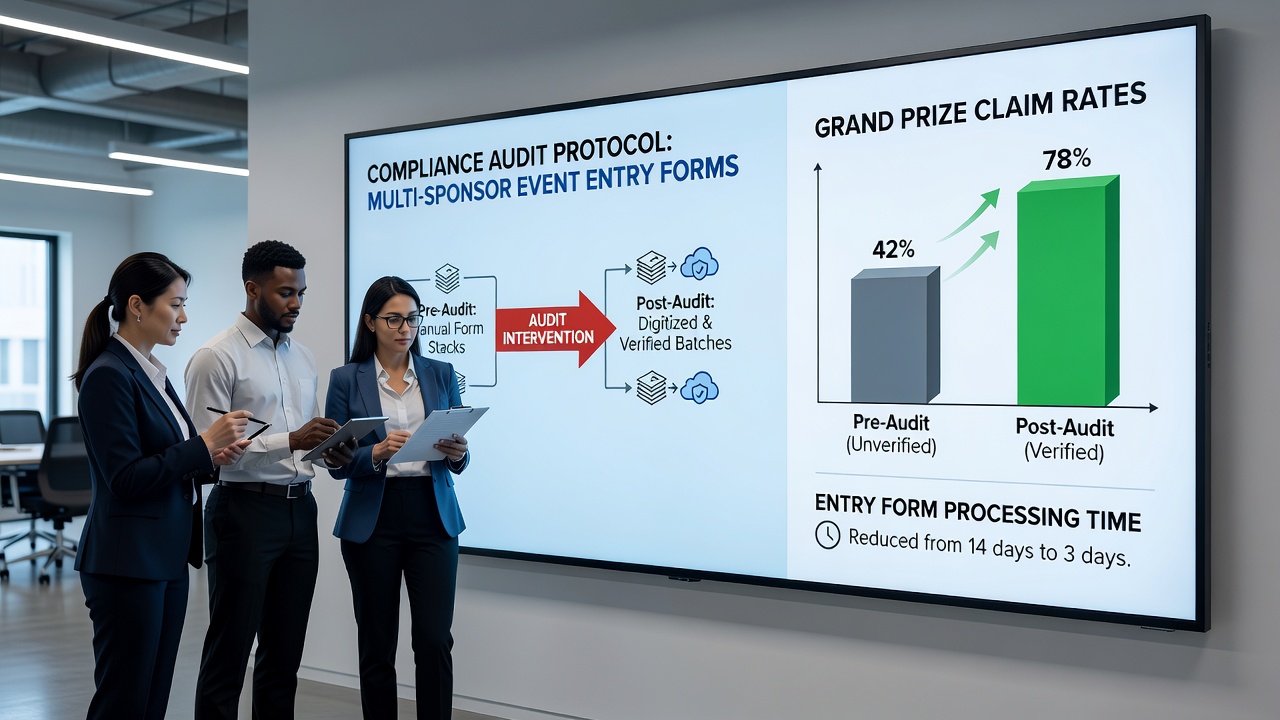
Audits require sponsors to align their data collection methods with standardized criteria, so entry forms now incorporate additional fields for cross-verification of participant details such as residency status and prior participation records. Organizers integrate automated flags that pause submissions pending manual review, which reduces errors but lengthens the initial intake phase by several days in events involving three or more partners. Data from collaborative campaigns shows that forms undergo sequential sponsor sign-offs rather than parallel approvals, creating bottlenecks when one partner identifies discrepancies in age attestations or contact information.
Those managing recurring national contests report that audit-mandated logging systems timestamp every form modification, allowing regulators to trace alterations back to specific sponsors. This practice encourages precise initial entries while discouraging last-minute edits that previously slipped through unchecked systems. In June 2026 several multi-state promotions adopted unified digital platforms that embed compliance checks at the point of submission, cutting post-entry corrections by nearly a third compared with prior cycles.
Effects on Grand Prize Claim Rates
Stricter verification during audits correlates with measurable shifts in claim completion rates. Winners must now supply supplementary proof of eligibility that matches audit-tracked entry data, which raises successful fulfillment percentages when documentation aligns but drops rates when mismatches surface late in the process. Observers note that multi-sponsor events experience fewer disputed claims after audits because each partner pre-validates its contribution to the prize pool, leaving less room for post-selection challenges.
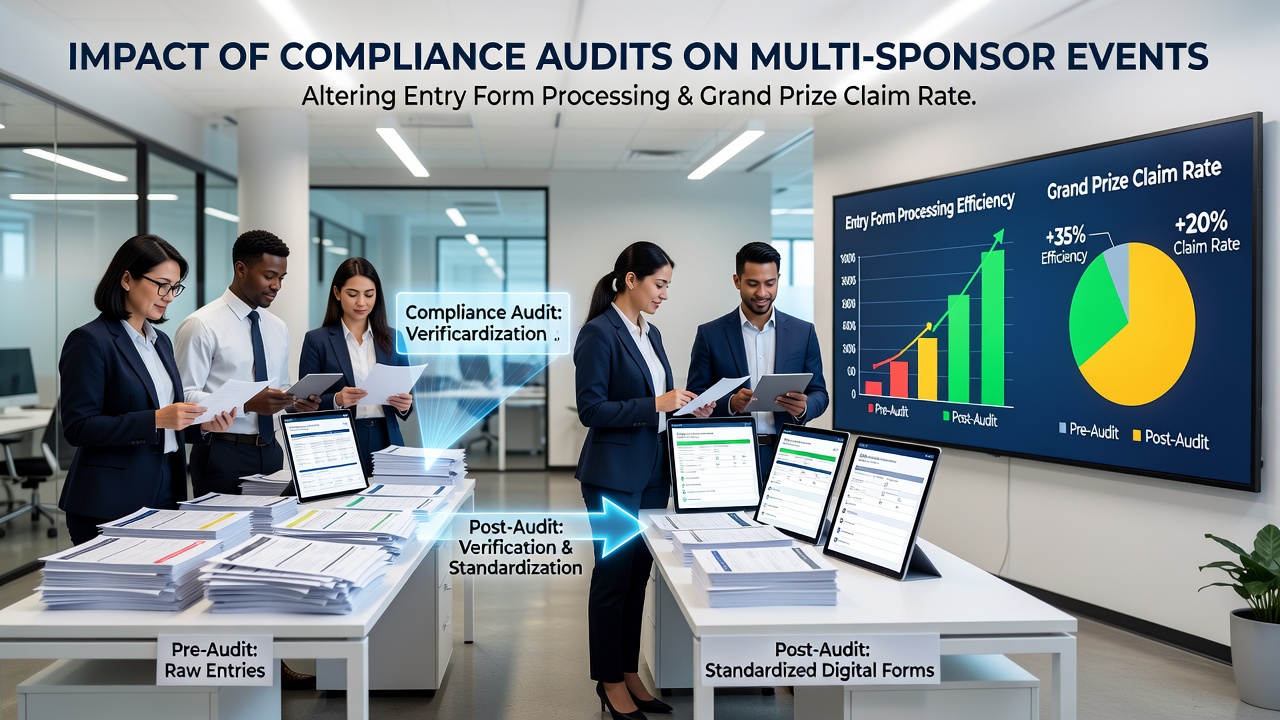
Research from the Federal Trade Commission indicates that transparent audit trails improve consumer trust in prize distribution, yet the added steps can deter some winners from completing claims if the required paperwork exceeds initial expectations. One analysis of joint promotions found claim rates rising from 68 percent to 81 percent when sponsors streamlined verification into a single portal, while rates fell when separate sponsor portals created confusion over required forms.
Patterns Across Different Event Structures
Daily draw events with multiple sponsors show faster adaptation to audit requirements because repeated cycles allow teams to refine form templates quickly. In contrast, one-time grand prize events face steeper learning curves since each audit reveals unique sponsor-specific gaps in record-keeping. Experts tracking these differences point out that events spanning more than four sponsors typically allocate dedicated compliance officers who coordinate form reviews in advance, shortening overall processing windows once initial audits conclude.
According to industry reports compiled by the Promotion Marketing Association of America, audit frequency directly influences how sponsors update their internal databases to match shared eligibility standards. This alignment reduces duplicate entries across partner channels and improves the accuracy of winner pools before notifications begin. Participants who navigate these updated systems encounter clearer instructions on claim deadlines, which in turn supports higher completion rates when the process remains centralized.
Conclusion
Compliance audits continue to drive standardization in multi-sponsor events by enforcing consistent entry validation and claim documentation across partners. These changes produce longer initial processing periods alongside improved accuracy in winner verification, ultimately shaping both submission volumes and successful prize redemptions through clearer procedural expectations.