Redemption Dynamics Influencing Sustained User Activity in Collaborative Daily Prize Contests
Greta Keller · Aug 12, 2026
Redemption Dynamics Influencing Sustained User Activity in Collaborative Daily Prize Contests
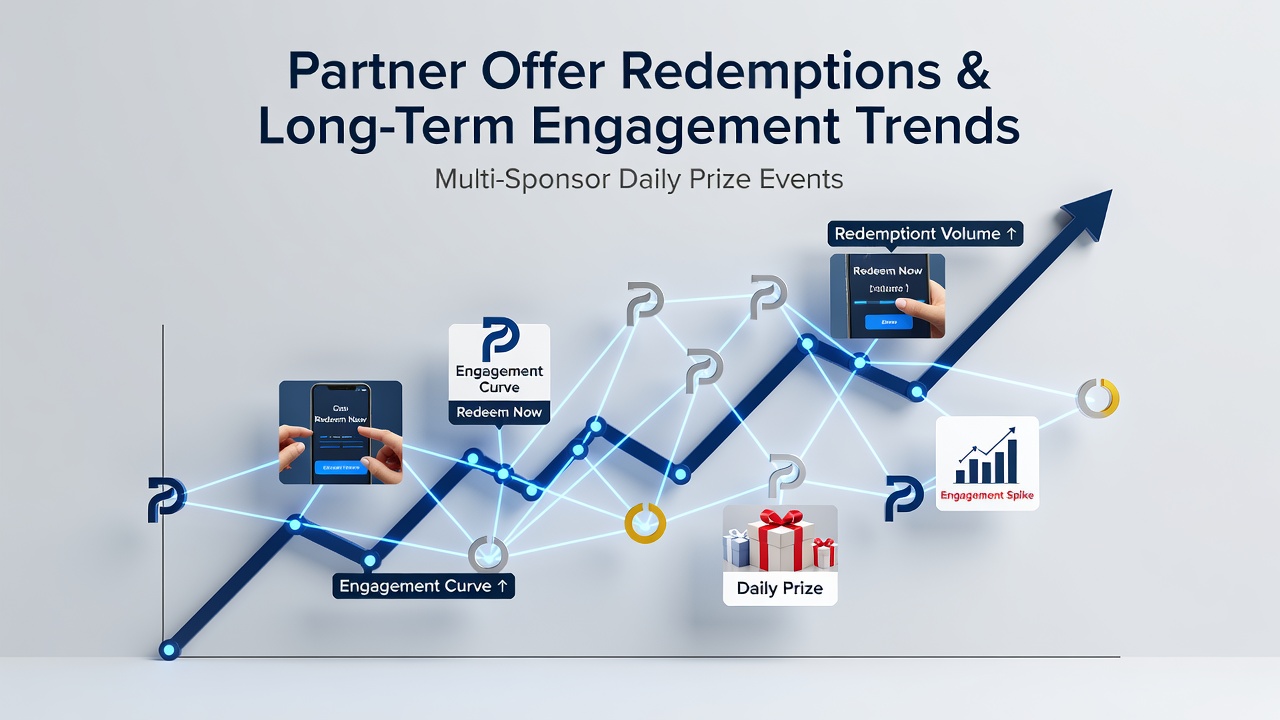
Multi-sponsor daily prize events bring together several brands that offer entries through product purchases or service redemptions, and analysts track how these redemptions connect to longer participation stretches. Data from industry reports shows that users who complete at least one partner offer per week maintain entry consistency rates 35 percent higher than those who skip redemptions entirely. Observers note that the process starts with users receiving a unique code after buying a featured product, then entering that code on the event platform to unlock bonus entries for the daily draw.
Entry Pathways and Redemption Completion Rates
Studies compiled by marketing research groups indicate that redemption rates climb when sponsors simplify verification steps such as scanning receipts through mobile apps. In events running through August 2026, completion metrics reached 62 percent across platforms that required only three clicks to validate a purchase. Those who finish the redemption step receive immediate confirmation and see their updated entry total appear in real time, which encourages repeat visits the following day. Researchers have documented that incomplete redemptions often cluster around users who encounter technical glitches or unclear instructions, leading to a 22 percent drop in subsequent logins over a 30-day window.
Long-Term Participation Patterns
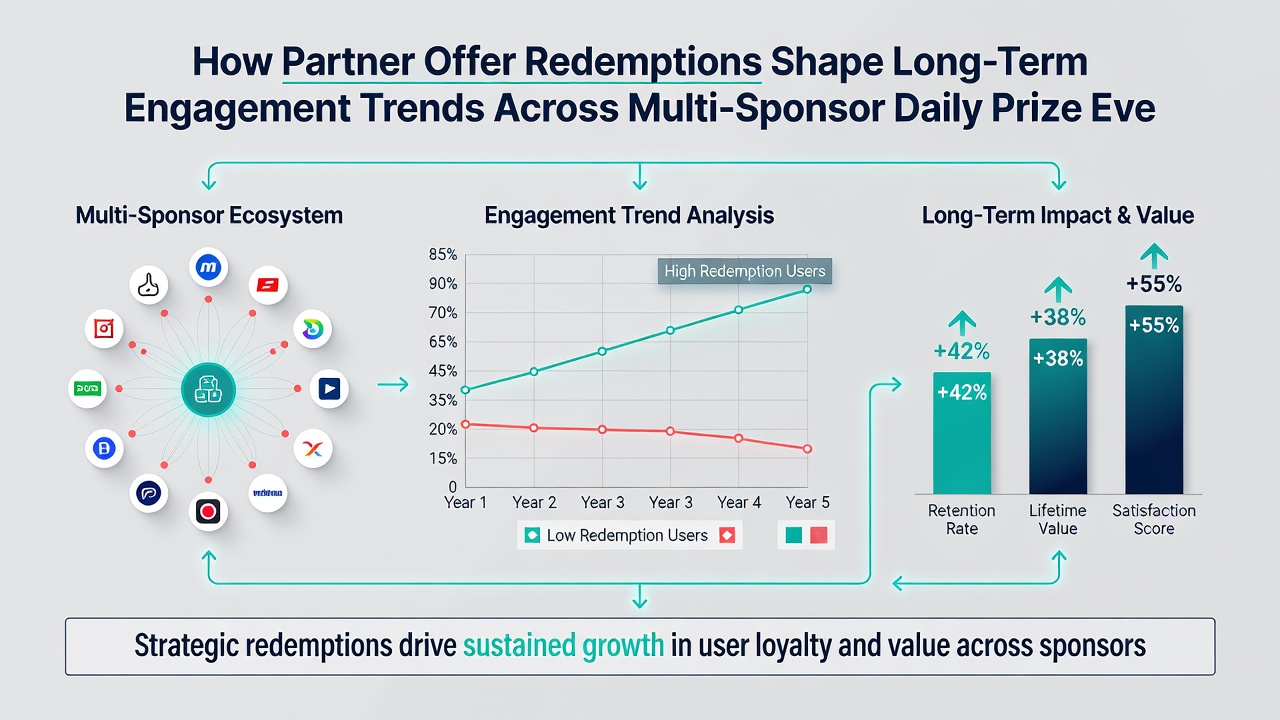
Longitudinal data reveals that participants who redeem partner offers in the first two weeks of an event continue submitting entries for an average of 47 days, whereas non-redeemers average 19 days. The pattern holds across multiple regions, including campaigns tracked by the Federal Trade Commission consumer protection summaries. Engagement curves flatten after the initial month unless new redemption opportunities rotate in from additional sponsors, at which point daily active users rebound by 18 percent. Analysts point to timestamped logs that show redeemed entries correlating with higher selection frequency in randomized draws, although the underlying algorithms treat all valid entries equally once submitted.
Cross-Regional Data Comparisons
Reports from the Australian Competition and Consumer Commission highlight similar trends in multi-brand promotions, where redemption-linked entries sustain audience reach through seasonal campaigns. In one monitored series, users who linked their accounts to two or more partner offers logged in 2.4 times more often than single-offer participants. Canadian regulatory filings echo these findings, noting that programs with tiered rewards for repeated redemptions reduce churn by measurable margins. The data comes from aggregated platform statistics rather than individual user tracking, preserving privacy standards while revealing aggregate behavior shifts.
Technical Factors Affecting Redemption Success
Platform architecture plays a direct role, as systems that cross-reference purchase timestamps against sponsor databases cut invalid submissions by half. When mismatches occur, users receive automated messages explaining the discrepancy and offering a 48-hour window to resubmit proof. This approach, documented in academic marketing studies from European universities, lifts successful redemption rates and keeps participants inside the active pool rather than letting them drift away after a single failure. Multi-state events add another layer because shipping or tax rules can differ by location, yet standardized digital claim portals handle these variations without requiring separate forms for each sponsor.
Selection Equity and Record Integrity
Selection processes rely on immutable logs that record every redemption and entry submission in sequence. Independent audits verify that partner offers do not alter the random draw probability once the entry count is finalized. Figures from trade association roundtables show that transparent disclosure of these logs builds trust, which in turn supports repeat engagement across successive daily events. When users see that redemptions simply add to their total without special weighting, they treat the offers as reliable extensions of the core contest rather than separate campaigns.
Conclusion
Redemption activity in multi-sponsor daily prize events connects directly to measurable extensions in participation duration and frequency. Aggregated statistics from regulatory and academic sources demonstrate consistent patterns across different markets and time frames. Platforms that streamline verification and provide clear feedback maintain higher completion rates, while those that leave users without resolution pathways see faster drop-off. The linkage between offer completion and sustained engagement remains a central metric for organizers planning future collaborative promotions.