Partner Entry Form Alignment and Its Role in Shaping Selection Fairness in Joint Promotions
Kai Friedrich · Jun 29, 2026

Partner Entry Form Alignment and Its Role in Shaping Selection Fairness in Joint Promotions
Entry form synchronization across partners refers to the technical alignment of data collection and validation processes when multiple organizations run collaborative promotional draws. This alignment occurs through shared databases, standardized fields, and real-time updates that allow entry details from one partner to appear instantly in systems operated by others. Observers note that such coordination reduces inconsistencies that once allowed participants to submit overlapping entries without detection. In practice, synchronization involves matching user identifiers, timestamps, and offer redemptions across platforms. When one partner processes an entry tied to a specific email or device ID, the data flows to connected systems within seconds. This setup prevents the same individual from qualifying multiple times through different channels in the same campaign. Data shows that coordinated systems flagged duplicate attempts at rates up to 18 percent higher than independent entry methods during campaigns analyzed in 2024.Technical Mechanisms Behind Cross-Partner Data Sharing
Partners implement application programming interfaces that push entry records to a central ledger maintained by a neutral administrator. Each record carries metadata including the source partner, submission time, and verification status. When a draw occurs, selection software queries this unified ledger rather than separate silos. Those who've studied these systems report that the approach produces a single pool of unique entries, which alters the probability calculations compared with unsynchronized models where duplicates inflate totals artificially.
Real-time validation checks run during submission, and if an offer redemption from one partner conflicts with prior activity logged elsewhere, the entry gets flagged before acceptance. This process relies on hashed identifiers that protect personal details while enabling matches. Researchers discovered that campaigns using these checks in multi-state promotions experienced fewer post-draw disputes over eligibility.Direct Effects on Winner Selection Algorithms
Random draw protocols adjust when the entry pool reflects synchronized data. Instead of selecting from inflated totals that include duplicates, the algorithm operates on verified unique records. This shift changes odds for every participant because the denominator in probability equations becomes smaller and more accurate. Figures reveal that in synchronized campaigns, the effective winning probability for compliant entrants rises by measurable margins once duplicates are removed from consideration.
Selection equity improves because the system eliminates cases where one person holds multiple chances under different partner entries. Algorithmic filters scan for patterns such as repeated IP addresses or rapid submissions across sites. In June 2026, several national promotions are scheduled to adopt enhanced synchronization standards ahead of new disclosure requirements, which will further standardize how these filters apply during daily draws.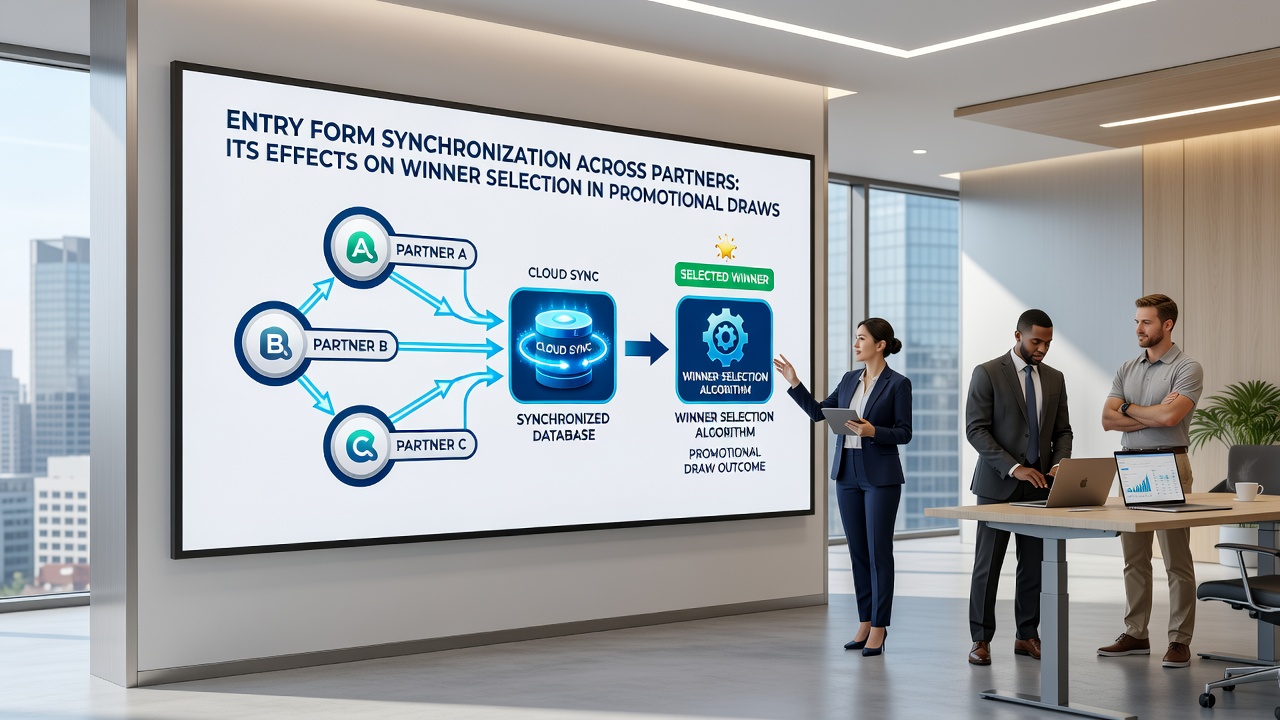
Regulatory Context and Compliance Standards
Authorities in multiple regions require transparent handling of shared entry data. The Federal Trade Commission outlines rules for promotional disclosures that apply when partners exchange participant information, and similar guidelines appear in Canadian competition frameworks. These rules emphasize that entrants must receive clear notice about how their details move between organizations. Compliance audits examine whether synchronization logs match announced selection criteria.
Observers note that synchronized systems generate audit trails that regulators examine during reviews. When discrepancies surface between partner records and the central ledger, campaigns may face delays in prize distribution. One study revealed that synchronized promotions resolved eligibility challenges 25 percent faster than those relying on manual cross-checks.Observed Patterns in Multi-Partner Campaigns
Take one recent collaboration where three consumer brands pooled entries through a shared platform. The system identified and excluded 12,400 duplicate submissions over a 90-day period, according to campaign disclosures. Without synchronization, those duplicates would have remained in the pool and shifted selection outcomes. What's interesting is how timestamp verification protocols integrated into the shared ledger further refined the process by rejecting entries submitted outside stated windows. Another case involved recurring daily draws where partners operated distinct websites yet fed data into one validation engine. Participants who completed offers across multiple partners saw their entries consolidated into single records, which prevented any one person from dominating the draw. Data indicates that engagement remained stable while complaint volumes about fairness dropped compared with prior unsynchronized versions of the same event series.
Future Developments in Entry Coordination
Industry reports project wider adoption of blockchain-based ledgers for entry synchronization by late 2026. These systems would create immutable records that multiple partners access without a single central administrator. Researchers have begun testing prototypes that combine timestamp verification with partner-specific offer tracking. The outcome would further standardize how winner selection occurs across regions while maintaining compliance with varying disclosure rules. Entry form synchronization across partners continues to evolve as technology and regulatory expectations align. The measurable impacts on duplicate reduction and selection accuracy demonstrate why coordinated systems now appear in an expanding share of collaborative promotions.