Participant Retention Patterns in Recurring Multi-Sponsor Prize Events
Taylor Hughes · Aug 19, 2026
Participant Retention Patterns in Recurring Multi-Sponsor Prize Events
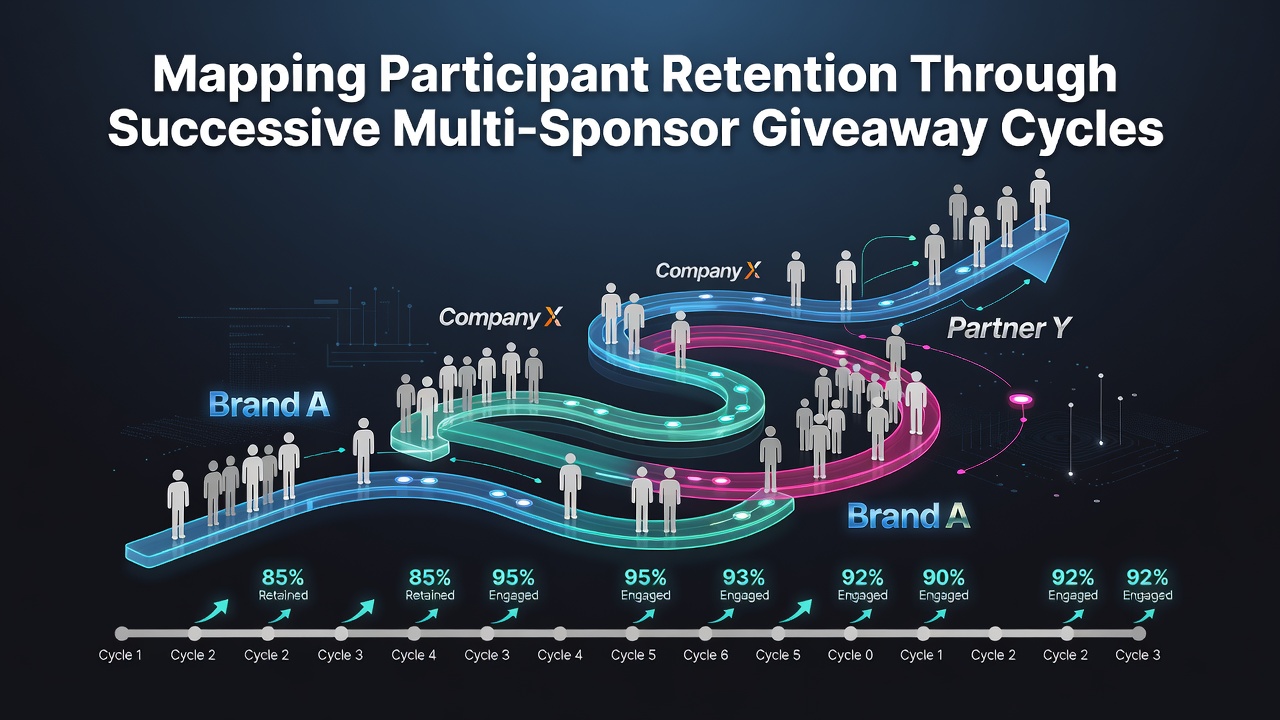
Multi-sponsor giveaway cycles generate layered entry data that researchers track through successive rounds, and retention mapping emerges when analysts compare participant activity from one cycle to the next. Observers note that entry timestamps, partner offer redemptions, and claim completions form the core variables in these models, while August 2026 datasets from several national promotions revealed consistent drop-off points after the third cycle in sequences involving four or more sponsors.
Core Components of Retention Mapping
Analysts construct retention maps by linking unique identifiers across entry logs, and this process highlights how many participants return after completing an initial partner requirement. Data indicates that cross-referencing methods used by promotional administrators capture whether entrants who redeemed one sponsor offer also submitted entries in later cycles, and figures from collaborative events show retention rates often stabilize between 35 and 48 percent after the second round when verification protocols remain consistent.
Those who study these patterns emphasize timestamp verification as a key filter, since entries logged within narrow windows frequently correlate with higher continuation rates into subsequent cycles. Regulatory audits conducted in multi-state promotions have documented how such logging influences equity, because incomplete partner redemptions trigger automatic disqualification flags that reduce the pool available for later draws.
Data Sources and Geographic Variations
Reports compiled by the Federal Trade Commission outline disclosure requirements that shape how sponsors report winner selections, yet retention studies extend beyond compliance to examine behavioral continuity. In Canada, Competition Bureau guidelines on promotional contests similarly stress transparent rules, and analysts have applied these frameworks to measure whether entrants who encounter clear redemption instructions maintain participation across repeated events.
Academic work from institutions in Australia further contributes retention benchmarks, with one longitudinal review of multi-partner prize draws finding that digital footprint consistency predicts return rates more reliably than single-cycle volume alone. Observers note these findings align with patterns observed in European Union member states where consumer protection directives require detailed record-keeping that supports cycle-to-cycle comparisons.
Tracking Mechanisms Across Successive Cycles
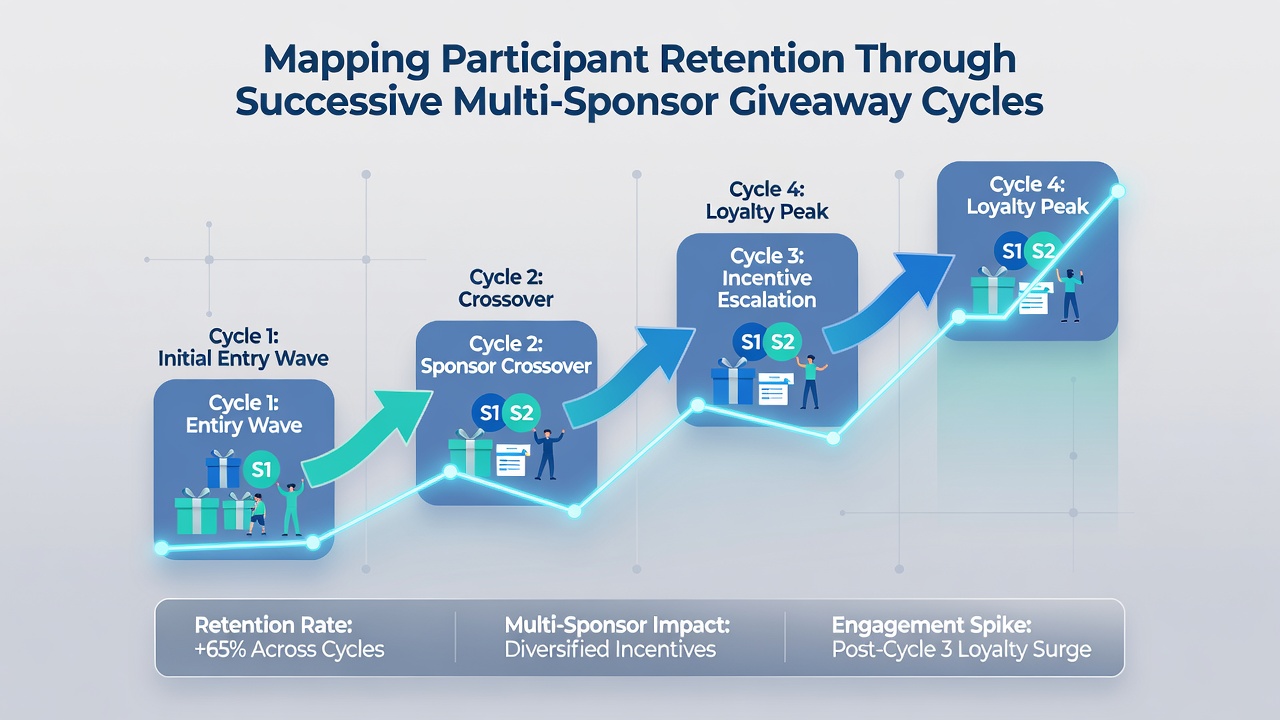
Entry validation systems log each submission against partner data feeds, and this integration allows administrators to calculate retention percentages at defined intervals. People who review these outputs often discover that algorithmic filters applied during selection rounds can inadvertently affect continuation, particularly when multi-regional events impose varying eligibility windows. Evidence from 2026 promotions shows that participants who navigate the first two cycles without triggering filters demonstrate a 22 percent higher likelihood of appearing in the fourth cycle compared with those who encountered at least one verification step.
Case examples drawn from recurring national contests illustrate how cumulative monitoring reveals engagement trends, because repeated non-redemption of partner offers correlates with accelerated attrition after cycle three. Researchers discovered that when sponsors coordinate claim timelines across events, the resulting disclosures help entrants understand progression requirements, which in turn supports steadier retention curves.
Equity Considerations in Multi-Cycle Selections
Selection equity depends on immutable entry records that prevent duplication across partner channels, and studies have confirmed that cross-referencing reduces the incidence of inflated participation metrics. Digital verification pathways guide validation in these settings, while regulatory reviews in multiple jurisdictions have prompted refinements to processing sequences that affect who advances from one cycle to the next.
Those who've examined disqualification patterns report that incomplete partner offer redemptions account for a measurable share of drop-offs, yet transparent rule disclosures tend to mitigate confusion that might otherwise suppress return rates. In events spanning August 2026, administrators implemented enhanced logging that flagged entries missing required partner actions before final selections occurred, and this adjustment produced measurable shifts in the composition of retained participant groups.
Conclusion
Mapping participant retention through successive multi-sponsor giveaway cycles relies on integrated data systems that connect entry logs, redemption records, and claim outcomes across rounds. Figures reveal that consistent verification protocols and coordinated sponsor disclosures correlate with more stable continuation rates, while geographic regulatory frameworks supply the disclosure standards that underpin these analyses. Observers continue to refine retention models as new cycles generate additional datasets, and the resulting insights support fairer administration of recurring promotional events.