Mapping Redemption Pathways in Multi-Partner Prize Initiatives
Greta Simmons · Jul 25, 2026
Mapping Redemption Pathways in Multi-Partner Prize Initiatives
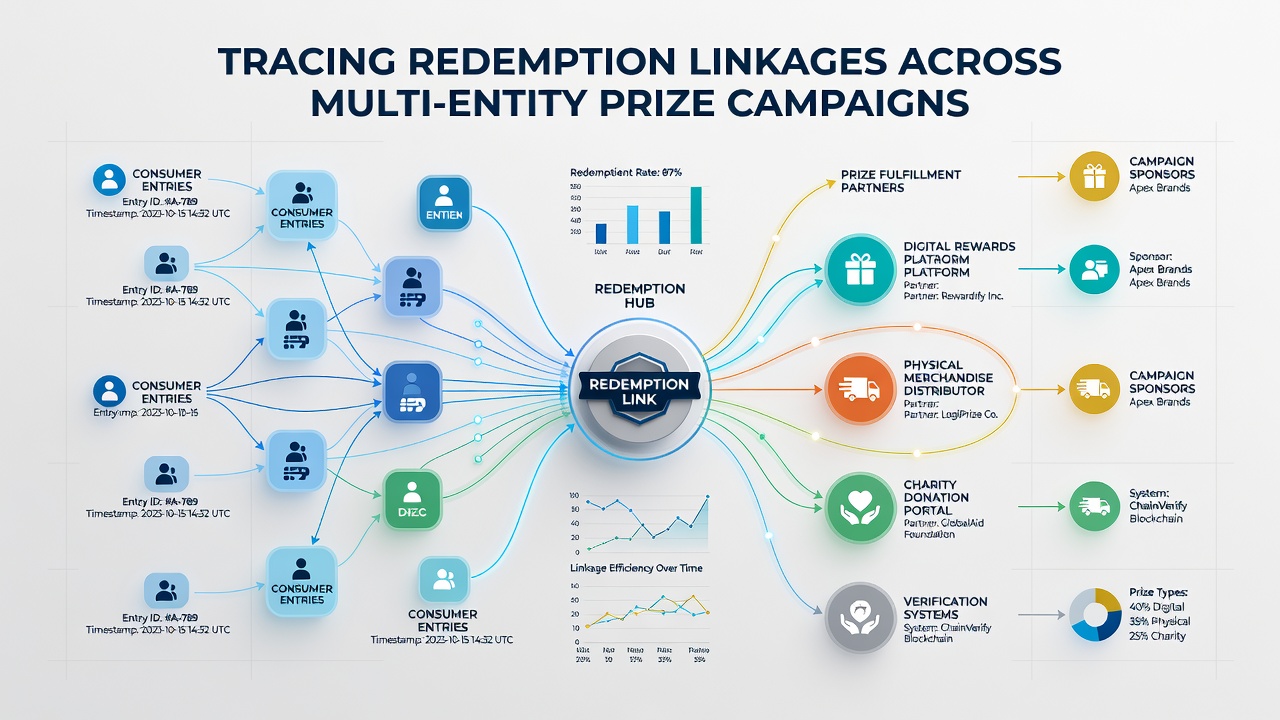
Multi-entity prize campaigns connect several sponsors through shared entry systems and redemption processes that require precise linkage tracking to maintain accurate distribution records. Data from these programs shows that participants often complete offers from multiple partners before claiming prizes, which creates layered trails that organizers must verify through centralized logging platforms. Researchers at academic institutions have documented how these connections rely on unique identifiers assigned at entry points to prevent duplicate claims across collaborating entities.
Core Mechanisms for Tracking Redemptions
Entry validation begins with timestamped records that capture each participant's interaction with partner offers, and these records feed into matching algorithms used by campaign administrators. Organizations coordinate by sharing anonymized datasets that link completion confirmations without exposing personal details beyond what is necessary for verification. According to reports from the Federal Trade Commission, such protocols help align disclosures with regulatory expectations in multi-state operations.
Systems often employ cross-referencing routines that compare redemption codes against original entry logs, and this step occurs before any prize distribution takes place. In July 2026 several campaigns plan to introduce updated API standards that will streamline data handoffs between entities while preserving audit trails. Those who manage these platforms note that incomplete linkages frequently trigger manual reviews to resolve discrepancies before winners receive notifications.
Data Integration Across Sponsors
Sponsors exchange aggregated metrics that highlight redemption rates for specific offers, yet individual pathways remain segmented until claim stages activate full reconciliation. Industry analyses indicate that campaigns involving five or more partners generate significantly more complex linkage graphs than smaller collaborations. Observers point to cases where a single participant's sequence of actions spanned four different brands over a two-week window, requiring automated reconciliation tools to confirm eligibility.
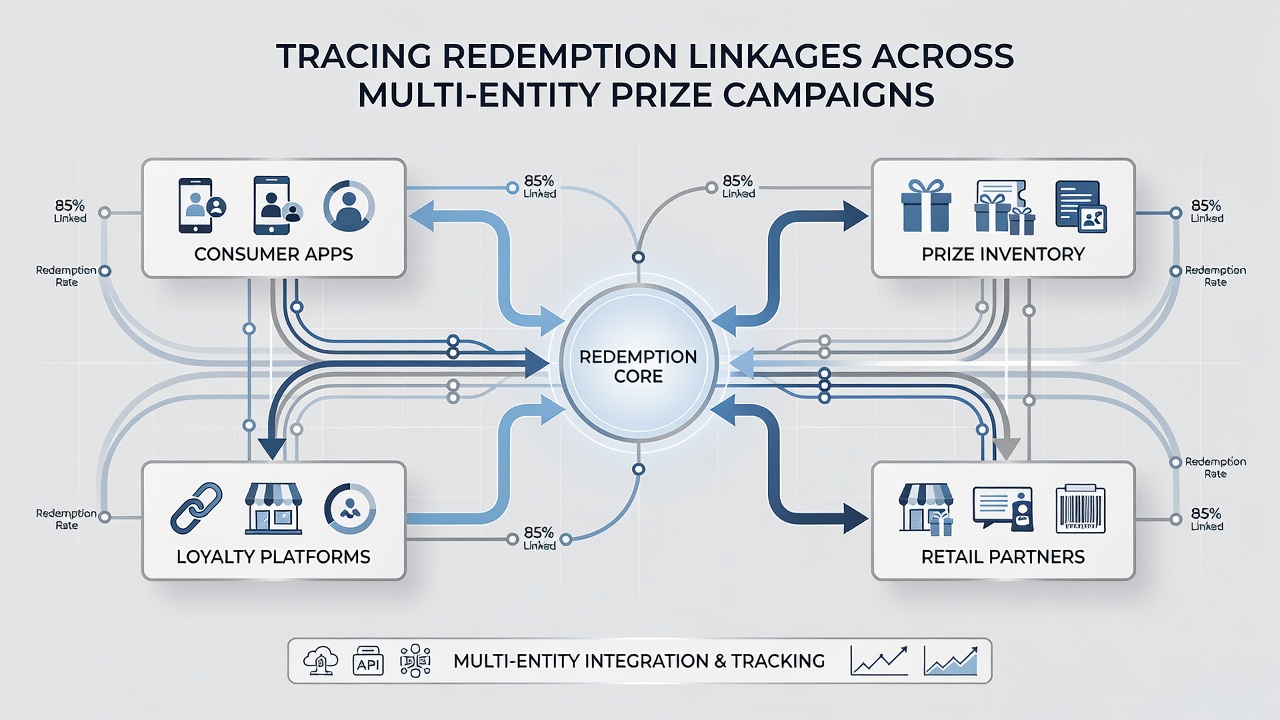
Verification protocols incorporate checksums and digital signatures that travel with each redemption record, and these elements allow administrators to trace origins even when data passes through intermediate processors. Australian Competition and Consumer Commission guidelines emphasize transparent disclosure of how such linkages influence selection outcomes in recurring national events. Campaigns that adopt these practices report fewer disputes during the claim window because participants receive clear status updates tied to verified completion sequences.
Challenges in Multi-Entity Environments
Discrepancies arise when participants initiate redemptions on one platform but complete final steps on another, and these gaps necessitate fallback procedures that pull supplemental records from partner databases. Technical teams deploy real-time monitoring dashboards that flag incomplete chains before the close of each campaign period. Evidence from multiple programs demonstrates that early detection reduces processing delays by aligning all required elements in advance of winner selection.
Security measures include encryption layers that protect linkage data during transfer, while access controls limit visibility to authorized personnel only. Research institutions have examined how these safeguards affect overall participation trends, noting stable engagement levels when entrants understand the verification steps involved. Patterns observed across campaigns show that transparent explanations of linkage processes correlate with higher completion rates for required partner actions.
Regulatory and Operational Considerations
Administrators must align linkage practices with varying state and provincial rules that govern prize promotions, and this alignment often involves legal review of data-sharing agreements before launch. European data protection frameworks add another dimension by requiring explicit consent for cross-entity record matching in certain jurisdictions. Programs scheduled for 2026 incorporate these regional differences into their planning from the outset to avoid post-campaign adjustments.
Case documentation from past events reveals that robust linkage systems enable faster resolution of eligibility questions raised by participants. Teams maintain detailed audit logs that reconstruct each redemption sequence on demand, supporting both internal reviews and external inquiries when necessary. This capability proves especially valuable in recurring formats where cumulative entry data influences future campaign design.
Conclusion
Effective tracing of redemption linkages supports accurate prize allocation across multi-entity campaigns by connecting participant actions to verified outcomes through structured data protocols. Organizations continue refining these methods as new standards emerge, particularly ahead of updates planned for July 2026. The resulting frameworks help sustain operational integrity while meeting expectations set by regulatory bodies in multiple regions.