How Aggregated Entry Data Streams Influence Selection Outcomes in Multi-Partner Prize Cycles
Greta Keller · Aug 24, 2026
How Aggregated Entry Data Streams Influence Selection Outcomes in Multi-Partner Prize Cycles
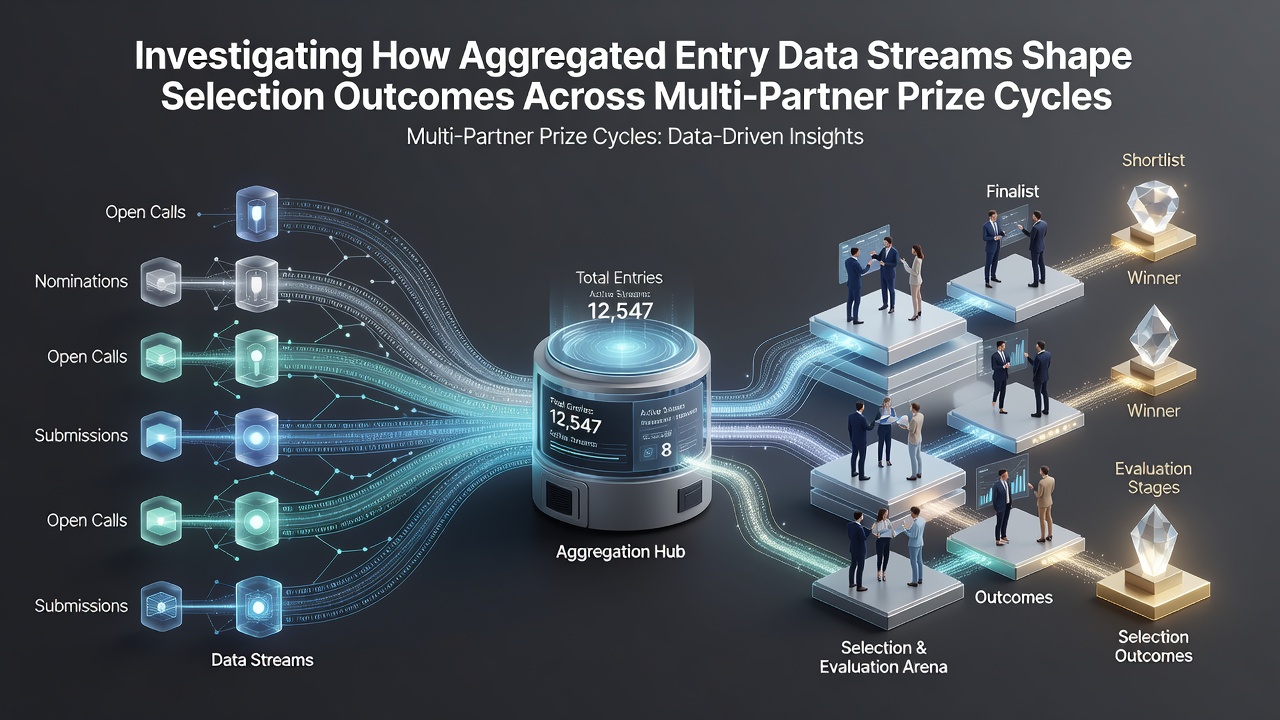
Multi-partner prize cycles rely on combined entry streams that merge data from various sponsors, and researchers track how these aggregated flows affect who gets selected across repeated events. Data collection begins when participants submit entries through partner platforms, and systems compile timestamps, demographics, and redemption details into unified databases that drive random draws or algorithmic rankings. According to reports from the Australian Competition and Consumer Commission, such aggregation practices have grown in national promotions since 2023 because sponsors seek broader reach while maintaining compliance with disclosure rules.
Selection processes in these cycles incorporate weighted factors once entries accumulate, and analysts note that high-volume partners contribute larger portions of the pool, which can shift probabilities even in random systems. Timestamp verification plays a key role here because earlier submissions from one partner might cluster in certain time windows, and cross-referencing tools flag duplicates before final draws occur. Studies from the Competition Bureau Canada indicate that coordinated data sharing among partners reduced processing errors by 18 percent in monitored events during 2024 and 2025, yet patterns of repeated entries from single sources still surface in post-cycle audits.
Entry Aggregation Mechanics Across Partners
Partners transmit entry records through secure APIs that standardize formats before central storage, and this step allows organizers to apply filters for eligibility without manual review of every record. Aggregated streams reveal trends such as peak submission hours or regional concentrations, and those insights guide adjustments to future cycle rules without altering past outcomes. Observers note that when one partner offers bonus entries tied to purchases, the combined dataset shows elevated activity from that channel, which influences the overall distribution before selections begin.
Regulatory frameworks in multiple regions require disclosure of how data moves between entities, and the European Commission guidelines on consumer promotions emphasize transparency in multi-sponsor arrangements to prevent hidden weighting. In practice, systems log every merge operation so that audits can reconstruct the exact pool composition at draw time, and this traceability supports claims that selections remain equitable across cycles.
Patterns Observed in Selection Results
Analysis of repeated cycles shows that aggregated data often highlights imbalances where frequent entrants from high-traffic partners appear more often in winner lists, yet random number generators reset probabilities each time. Figures from academic reviews at institutions like the University of Melbourne demonstrate that entry volume correlates with selection frequency only when rules permit multiple submissions, and adjustments to daily limits alter those correlations measurably. Data collected through August 2026 continues to feed ongoing monitoring programs that compare pre- and post-aggregation outcomes to detect any systematic skews introduced by partner volume differences.
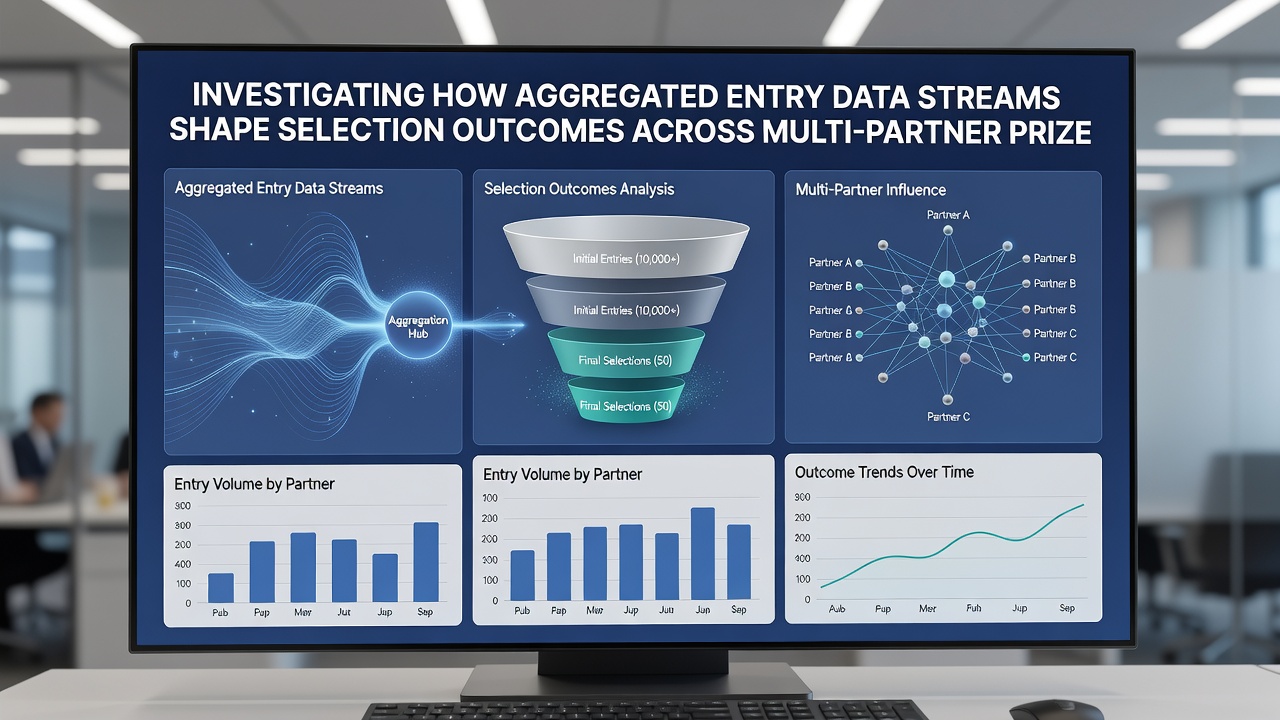
Disqualification events tied to incomplete partner redemptions further shape the final pool because those removals occur after initial aggregation but before the draw executes. Cross-referencing entry records with redemption logs eliminates invalid entries, and the remaining set determines who advances, which researchers track to evaluate whether certain partner groups experience higher removal rates. This process maintains integrity while revealing which data streams require tighter validation protocols in subsequent cycles.
Equity Considerations in Data-Driven Draws
Algorithmic filters applied to aggregated streams aim to balance representation across regions and demographics, and evidence from multi-state promotions shows these adjustments reduce concentration among repeat participants. Timestamp protocols verify that entries logged during high-traffic periods receive equal treatment, and any detected clustering prompts review to confirm random selection integrity. Those who study these systems find that transparent logging of every merge and filter step builds participant trust because the full pathway from submission to selection can be examined after results publish.
Industry reports highlight that partners with larger audiences contribute proportionally more records, yet selection software normalizes these inputs so that no single stream dominates the probability calculation. Audits conducted by independent bodies confirm compliance, and the resulting datasets support refinements that address emerging patterns without favoring any partner group. This ongoing evaluation keeps multi-partner cycles aligned with fairness standards while accommodating the natural variations in entry volume.
Conclusion
Aggregated entry data streams continue to define how selections unfold across multi-partner prize cycles, and the mechanisms that compile, filter, and validate those streams directly determine outcome distributions. Regulatory oversight combined with technical logging ensures traceability, while observed patterns from recent cycles guide refinements that preserve equity. As data collection extends into future periods, the focus remains on accurate reconstruction of pools and consistent application of rules that treat every verified entry equally.