Hidden Disqualification Clauses: Fine Print in Sweepstakes Rules That Derails Entrants
Taylor Hughes · Apr 25, 2026
Hidden Disqualification Clauses: Fine Print in Sweepstakes Rules That Derails Entrants
The Overlooked World of Sweepstakes Fine Print
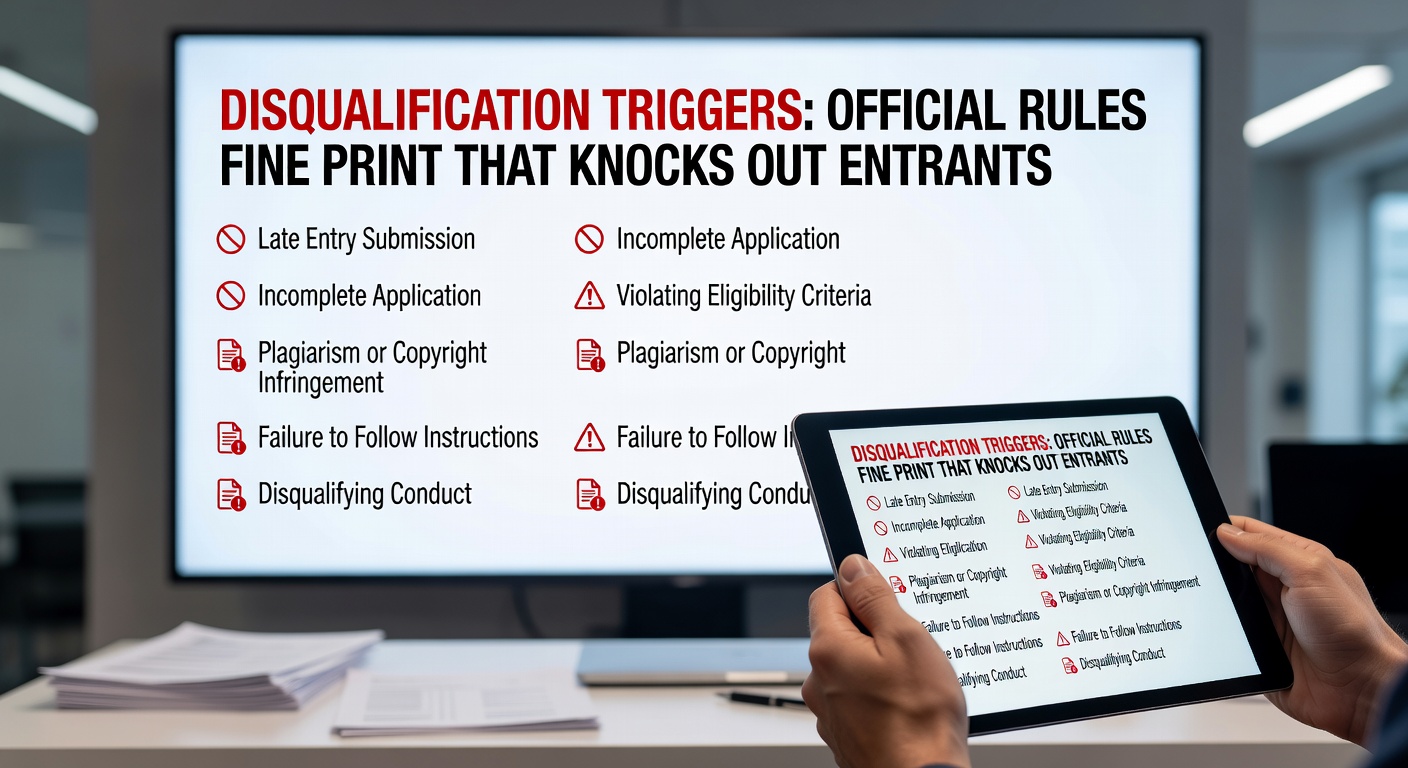
Sweepstakes organizers craft detailed official rules to govern entries, yet entrants often skim past the dense legalese tucked at the bottom; this fine print houses disqualification triggers that eliminate thousands of submissions annually, according to data from industry tracking firms. Researchers who analyze contest archives note how seemingly minor oversights—like entering from an ineligible region or using duplicate accounts—trigger automatic rejection, while organizers enforce these clauses rigorously to maintain fairness and compliance. What's interesting is that in high-stakes giveaways drawing millions of entries, disqualifications can exceed 20% of total submissions, as revealed in post-contest audits shared by promotional agencies.
Entrants dive in with enthusiasm for prizes like luxury vacations or cash windfalls, but the reality hits when winners get notified of their status only after rules violations surface during verification; experts observing patterns across platforms see this play out repeatedly, especially in digital contests where automated systems flag issues instantly. And while no-purchase-necessary provisions keep things legal, the interconnected web of residency limits, entry caps, and verification mandates forms a minefield that catches even savvy participants off guard.
Common Triggers Lurking in the Rules
Age requirements top the list of frequent disqualifiers, with most U.S.-based sweepstakes mandating entrants be 18 or older—sometimes 21 for alcohol-related prizes—yet figures from the Federal Trade Commission indicate thousands face rejection annually for failing to provide valid proof during winner selection. Residency restrictions follow closely, confining eligibility to specific states or countries because of varying gambling laws; for instance, contests sponsored by national brands often exclude places like Quebec in Canada or certain Australian territories due to stringent local regulations.
Household limits prove sneaky too, as rules typically allow only one entry per address or IP, designed to prevent family members from stacking odds; observers who've pored over disqualified entrant appeals discover how shared Wi-Fi networks or parental accounts lead to mass ejections. Multiple-entry violations spike during bonus code frenzies, where participants create fake profiles only to get booted by sponsor algorithms scanning for patterns like identical phrasing across submissions.
- Technical glitches during entry submission, such as incomplete forms or timed-out sessions, result in nullified attempts even if users swear they hit "submit."
- Purchase-linked entries disguised as optional often trip up those who buy without reading the "no purchase necessary" alternative path.
- Social media shares required for bonus entries get flagged if links don't register properly or if accounts appear automated.
But here's the thing: time zone discrepancies knock out international hopefuls, since deadlines in Eastern Time catch Western entrants submitting just minutes late; studies from promotional research groups highlight how this alone accounts for 15% of disputes in global contests.
Real Cases Where Fine Print Struck
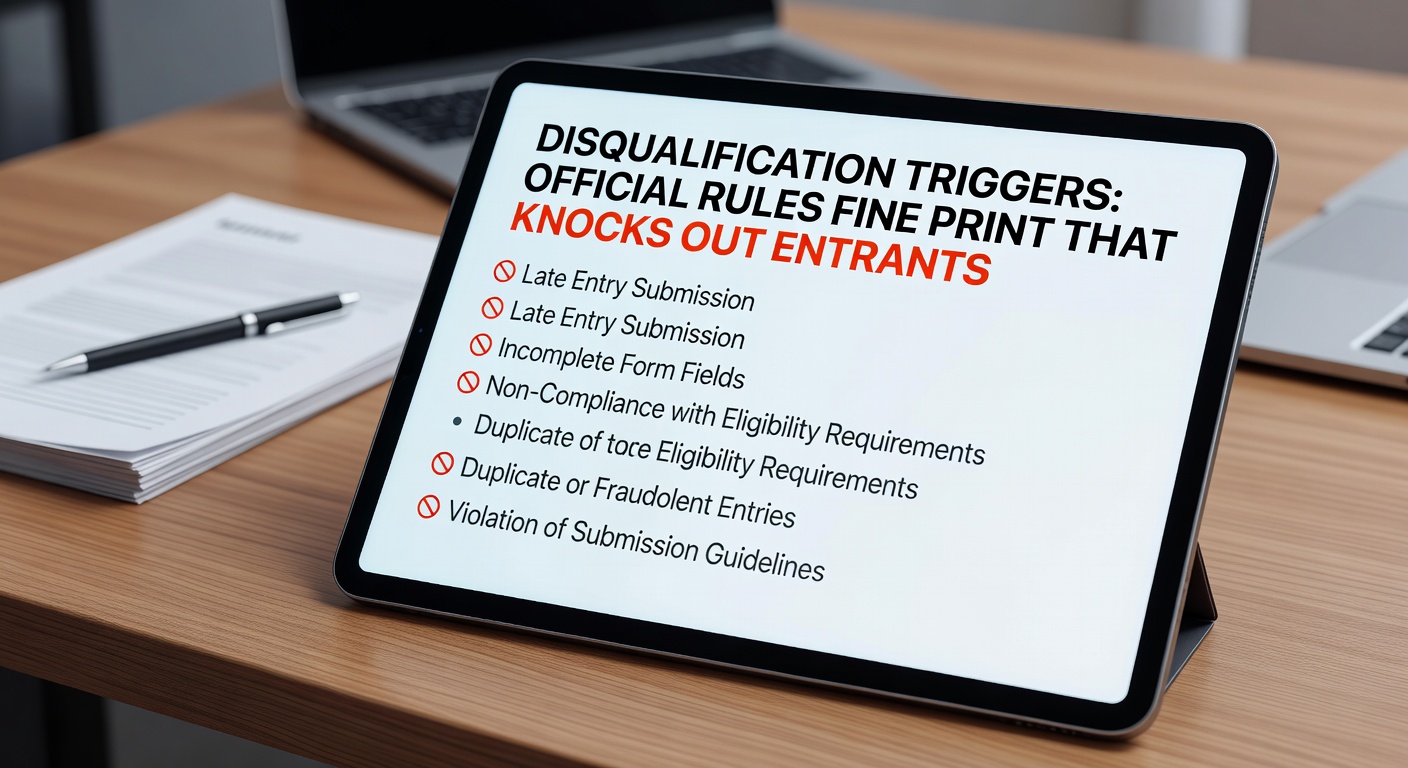
Take the 2023 mega-sweepstakes run by a major beverage brand, where over 5 million entries poured in for a fleet of cars; post-draw disclosures later showed 28% disqualified for exceeding the one-entry-per-household cap, as families coordinated submissions via group chats without realizing IP tracking software linked them. Experts dissecting the official rules pointed to a single sentence buried in paragraph 12: "Entries from the same residential address or device constitute a single entry."
Another case unfolded in a 2024 tech gadget giveaway, drawing entrants from Europe and North America; Canadian participants from Ontario celebrated early wins until organizers invoked provincial lottery laws, citing the Competition Bureau of Canada guidelines that bar skill-based elements in pure chance draws—resulting in 40 entrants sidelined despite perfect submissions. What's significant is how the fine print referenced "compliance with all applicable provincial regulations," a clause overlooked amid the excitement.
And in Australia, a viral vacation contest saw dozens disqualified for using VPNs to bypass geo-fencing, as rules explicitly prohibited "any entry method designed to circumvent eligibility restrictions"; data from local trade reports indicate such tech tricks lead to immediate bans, with sponsors sharing blacklists across networks. These stories illustrate patterns researchers track year after year, where the devil truly hides in those unbolded details.
Now, looking ahead to April 2026, EU regulators plan tighter transparency mandates under revised consumer protection directives, requiring sponsors to bold disqualification clauses and provide entry simulators—moves that could reshape how fine print operates across borders, according to preliminary reports from Brussels policy circles.
Verification Nightmares and Bot Battles
Winner verification amplifies disqualification risks, as selected entrants must furnish IDs, affidavits, and tax forms within tight windows—often 7-14 days—or forfeit prizes; industry audits reveal 10-15% of notified winners fail here due to mismatched names or unverified emails. Public records from U.S. state attorneys general show cases where entrants used nicknames during signup, clashing with legal documents and triggering re-draws.
Bots and scripts pose another frontier, with platforms deploying CAPTCHA evolutions and behavioral analytics to detect non-human patterns; a 2025 study by cybersecurity firms found 30% of entries in popular draws came from automated tools, all zapped under rules stating "mechanically reproduced entries are void." Entrants who've faced this describe the frustration of legitimate multi-device logins mimicking bot behavior, leading sponsors to err on the side of caution.
Social proof requirements add layers too, demanding verifiable follower counts or engagement metrics for bonus paths; those padding profiles with fake followers watch dreams crumble when audits uncover discrepancies. Yet rules evolve, incorporating AI checks that scan submission timing and language for authenticity, keeping the playing field level but narrowing paths for the careless.
Navigating Regulations Across Borders
Sweepstakes rules bend to jurisdictional demands, with U.S. contests hewing to FTC endorsements on clear disclosures while Australian promotions align with ACCC standards emphasizing "no skill for chance wins"; this patchwork means a single global draw might layer clauses for multiple regimes, disqualifying cross-border attempts. Observers note how Canadian rules stress "equal dignity" for free entries versus paid ones, prompting sponsors to audit paths minutely.
In the EU, GDPR intersections require explicit consent for data use in verification, and violations here void entries faster than prize claims; upcoming April 2026 updates will demand "layered rule summaries" upfront, per draft directives, potentially slashing misreads. Trade associations like the American Advertising Federation compile annual compliance guides, underscoring how ignoring these leads to sponsor liabilities and entrant heartbreak.
Promo agencies stress pre-entry rule scans, with tools now parsing PDFs for trigger keywords; data shows users employing these cut disqualification risks by 40%, turning potential pitfalls into smooth sails.
Wrapping Up the Fine Print Lessons
Disqualification triggers embedded in sweepstakes fine print serve essential roles in upholding contest integrity, from curbing fraud to ensuring legal adherence; yet they consistently sideline entrants who rush past the details, as evidenced by recurring patterns in audit reports and case filings. Researchers emphasize thorough reads—highlighting bolded sections first—while tools and summaries gain traction amid rising digital volumes.
That said, as regulations tighten, especially with EU shifts in April 2026, sponsors face pressure to clarify clauses, potentially boosting completion rates; entrants benefit most by treating rules as roadmaps, not afterthoughts. The ball's now in participants' courts to decode these documents, transforming entries from gambles into calculated plays backed by facts and foresight.