Geolocation Technologies Guiding Eligibility in Regional Promotional Events
Taylor Hughes · Jun 24, 2026
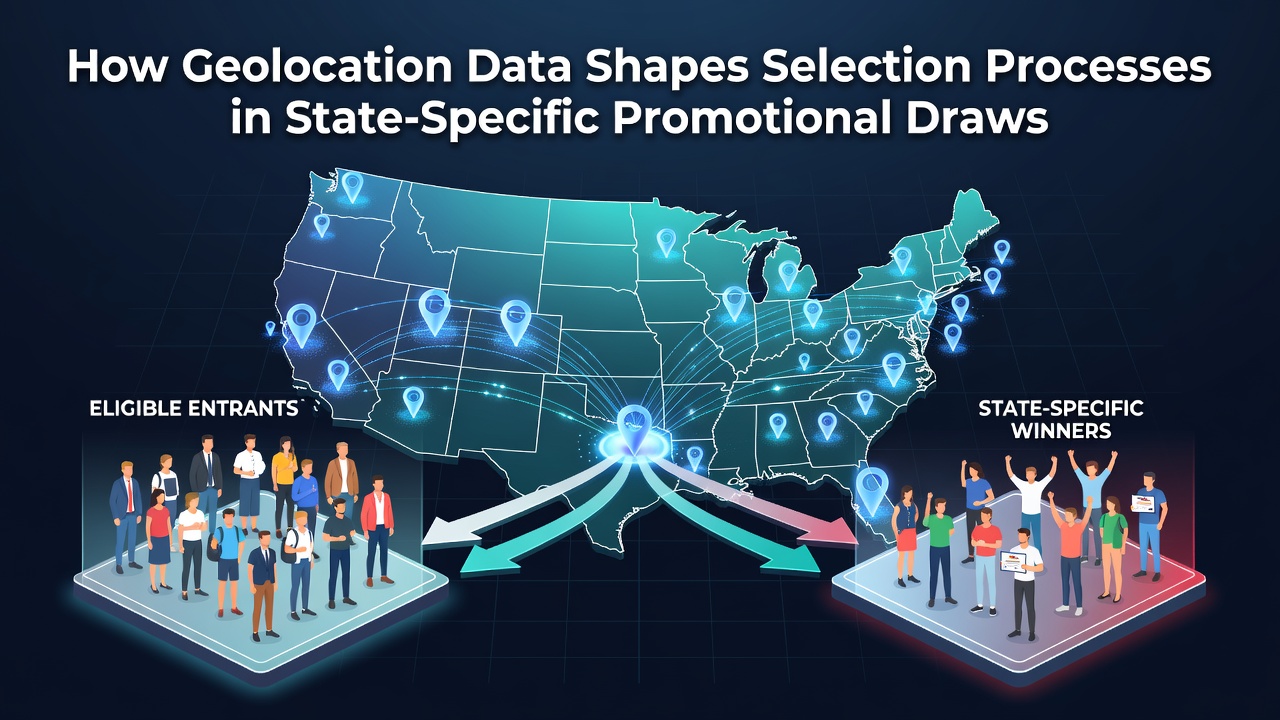
Geolocation Technologies Guiding Eligibility in Regional Promotional Events
Promotional draws restricted to particular states rely on geolocation systems to verify where entrants reside before any selection occurs, and these tools combine IP address checks with device GPS signals plus carrier data to confirm compliance. Organizers deploy such verification at entry points so that only residents of permitted jurisdictions move forward into random draws or other selection stages.
Core Mechanisms Behind Location Verification
Systems collect multiple data points simultaneously, cross-checking an entrant's IP origin against GPS coordinates reported by mobile applications while also consulting mobile network records that pinpoint tower connections. This layered approach reduces instances where participants use virtual private networks to mask their actual positions, and it operates continuously throughout entry periods that may span weeks or months.
State boundaries create strict parameters because many promotions tie eligibility to specific legal frameworks governing consumer contests, and geolocation data feeds directly into automated filters that flag or block submissions from outside those zones. When discrepancies arise between reported location and verified signals, entries receive immediate rejection notifications that include explanations tied to the detected mismatch.
Regulatory Context and June 2026 Updates
By June 2026 several jurisdictions plan to implement enhanced data standards for promotional events, requiring sponsors to maintain audit logs of all location checks performed during entry collection. These requirements build on existing practices where organizers already retain timestamped records that demonstrate each verification step, allowing regulators to review processes after contests conclude. According to the Federal Trade Commission, transparent logging practices help maintain consistency across multi-state campaigns that must respect varying state laws on advertising and prize distribution.
Observers note that these forthcoming standards align with similar frameworks already active in other regions, where data retention periods extend at least two years beyond the final prize claim deadline. Sponsors therefore adjust their platforms in advance to accommodate both the technical demands of precise geolocation and the administrative burden of producing compliant reports on demand.
Impact on Participant Pathways and Selection Equity
Entrants encounter location checks at multiple stages, beginning with initial form submission and sometimes recurring at claim time to reconfirm residency before prizes release. This repetition prevents situations where individuals relocate after entry yet still attempt to claim awards restricted to their original state. Data from repeated checks also feeds into broader analytics that reveal participation patterns across different regions without compromising individual privacy.
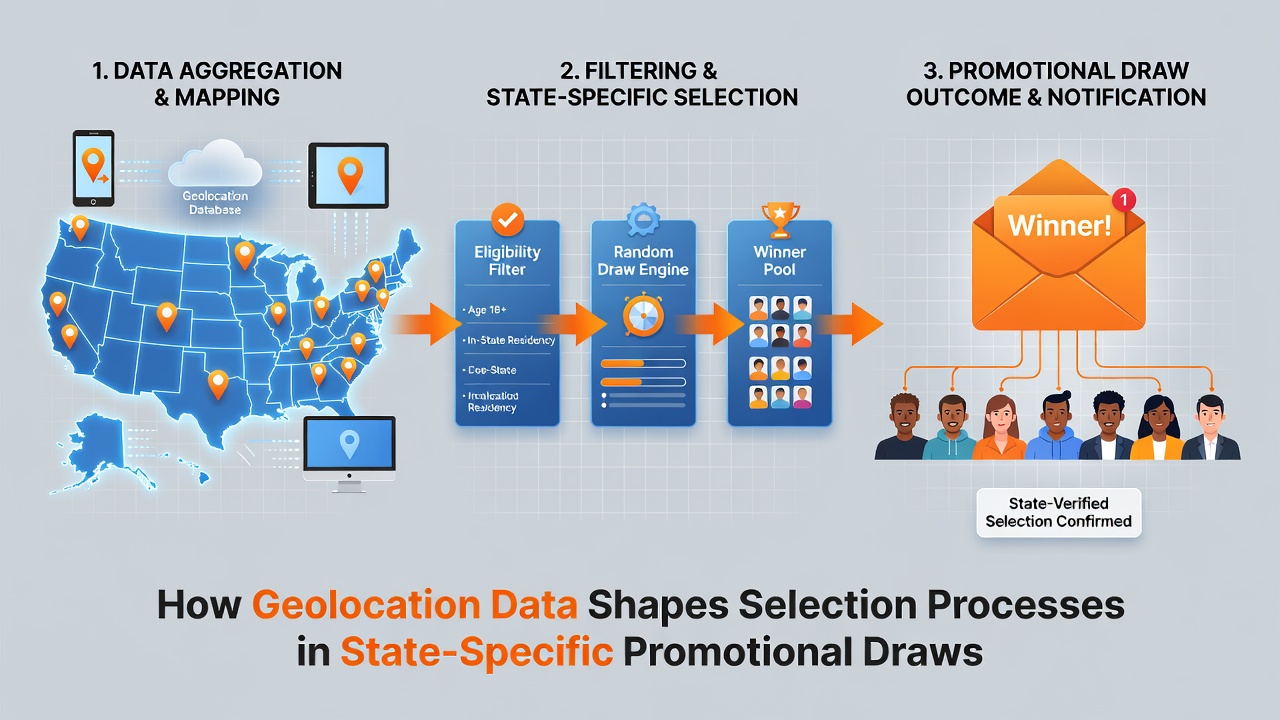
One study revealed that campaigns using combined IP and GPS verification saw higher rates of valid entries from target states compared with those relying solely on self-reported addresses. Researchers discovered that the reduction in invalid submissions allowed selection pools to reflect intended geographic distributions more accurately, which in turn supported compliance with state-specific prize allocation rules.
Technical Challenges and Refinement Processes
Network congestion or temporary signal loss can occasionally produce ambiguous location readings, prompting systems to trigger secondary verification steps such as SMS confirmation sent to a device registered in the claimed state. Sponsors maintain fallback protocols that include manual review teams trained to evaluate edge cases without introducing delays that might affect overall contest timelines. These teams operate under strict guidelines that prioritize documented evidence over discretionary judgment.
Industry reports from organizations such as the Competition Bureau Canada highlight how consistent application of geolocation protocols across recurring events contributes to measurable improvements in entry quality over successive campaigns. Patterns emerge showing fewer disputes related to eligibility after the first implementation cycle, as participants become accustomed to the verification sequence and adjust their submission habits accordingly.
Future Directions in Location-Aware Promotions
Developments in satellite-based positioning and 5G network triangulation promise even finer granularity for state boundary detection, potentially allowing sponsors to distinguish between adjacent cities that straddle state lines with greater precision. Testing phases for these upgrades already occur in select markets where current systems occasionally struggle with rural coverage gaps or dense urban signal interference.
Academic analyses continue to examine correlations between verification stringency and overall participation volume, providing sponsors with evidence-based adjustments rather than assumptions about user behavior. Such studies track metrics like entry completion rates alongside geographic accuracy scores, generating datasets that inform both technical refinements and regulatory submissions.
Conclusion
Geolocation integration has become a foundational element of state-specific promotional draws, shaping everything from initial entry validation through final prize distribution. As standards evolve toward June 2026 and beyond, the emphasis remains on documented, multi-source verification that supports legal compliance while preserving equitable access for eligible participants across permitted regions.