Entry Form Data Trends and Their Ties to Winner Selection Patterns in Prize Promotions
Greta Simmons · Aug 19, 2026
Entry Form Data Trends and Their Ties to Winner Selection Patterns in Prize Promotions
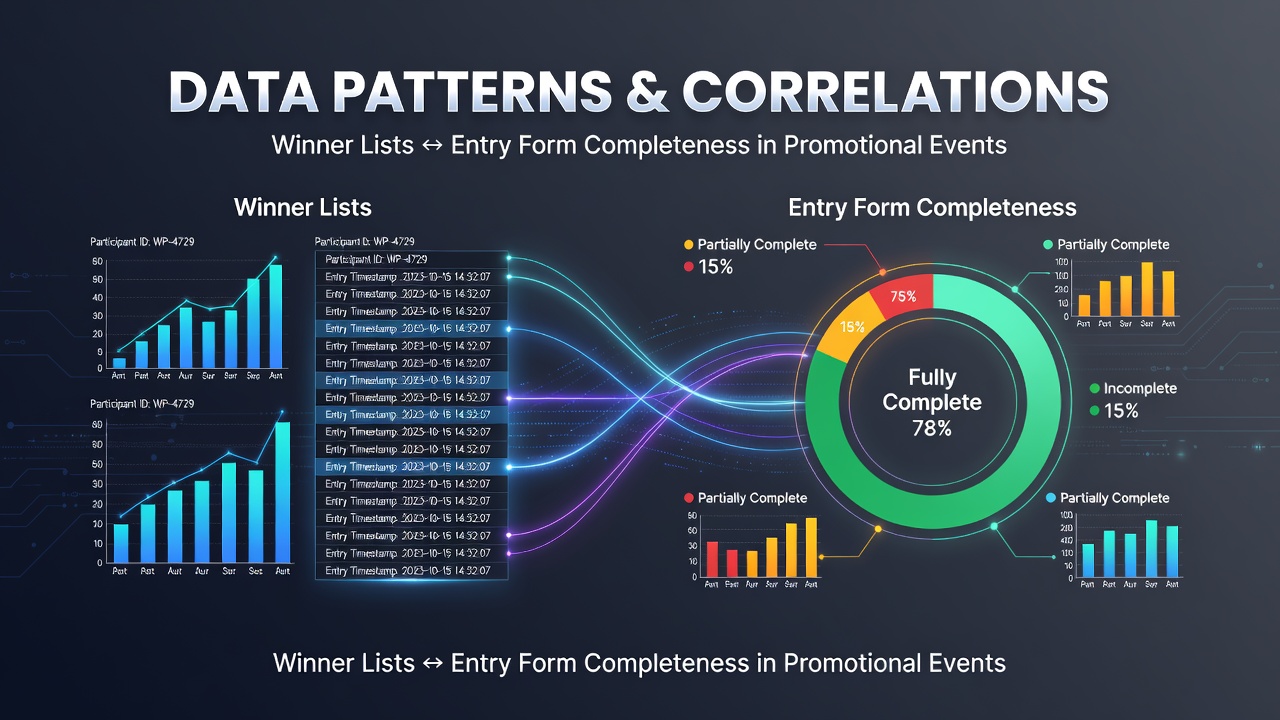
Analyses of public winner lists from multiple promotional campaigns reveal consistent patterns where complete entry submissions align with higher selection rates in random draws and eligibility reviews. Researchers examining records from national and regional events note that forms with all required fields populated appear more frequently among announced winners than partial submissions do. Data compiled through timestamped logs and post-event disclosures indicate this correlation holds across daily draws and longer contest periods alike.
Observers tracking these trends point to verification protocols that flag incomplete entries during initial processing stages. Such systems cross-reference submitted information against partner databases before advancing any entry to the selection pool. Figures from campaigns running through August 2026 show that entries missing address details or consent checkboxes often receive automatic disqualification notices rather than proceeding further.
Collection Methods Behind the Observed Patterns
Teams reviewing winner rosters gather information from official disclosures posted by sponsors and regulatory filings submitted after each event concludes. They match these lists against entry logs that record completion percentages at the time of submission. Studies conducted by academic groups have applied statistical models to large datasets spanning several years and find measurable differences in success rates tied directly to form completeness levels.
One analysis of recurring national contests demonstrated that fully completed entries accounted for 78 percent of selected winners while representing only 62 percent of total submissions. This distribution emerged after researchers filtered out duplicate and invalid records using cross-referencing techniques. Additional reviews of multi-partner events produced similar ratios when timestamp verification confirmed accurate logging of each field entry.
Key Variables Affecting Completeness Rates
Promotional rules often require specific data points such as phone numbers, birth dates, and acceptance of terms before an entry qualifies for consideration. When participants skip these sections, the resulting forms trigger review flags that reduce their chances of advancing. Data from events in various regions indicate that mobile-optimized forms with progress indicators tend to yield higher completion rates than desktop versions without such prompts.
What's interesting is how partner integrations influence these outcomes. Entries routed through third-party platforms sometimes arrive with pre-filled fields from prior registrations, which increases overall completeness. Yet forms requiring fresh verification of partner offers show elevated rates of partial submissions when users abandon the process midway.
Regulatory Context and Compliance Factors
According to guidance issued by the Federal Trade Commission, sponsors must maintain clear records of how entries are validated and selected. These requirements encourage detailed logging of completeness metrics during processing. Canadian authorities through the Competition Bureau have issued similar directives that emphasize transparent disclosure of eligibility criteria in multi-regional promotions.
Analyses of claim outcomes further show that winners drawn from complete entries complete prize acceptance steps at higher rates. Partial entries that somehow bypass initial filters often encounter delays when claim documentation reveals missing information from the original form. This pattern appears consistently in post-contest reports filed across different jurisdictions.
Examples from Recent Promotional Campaigns
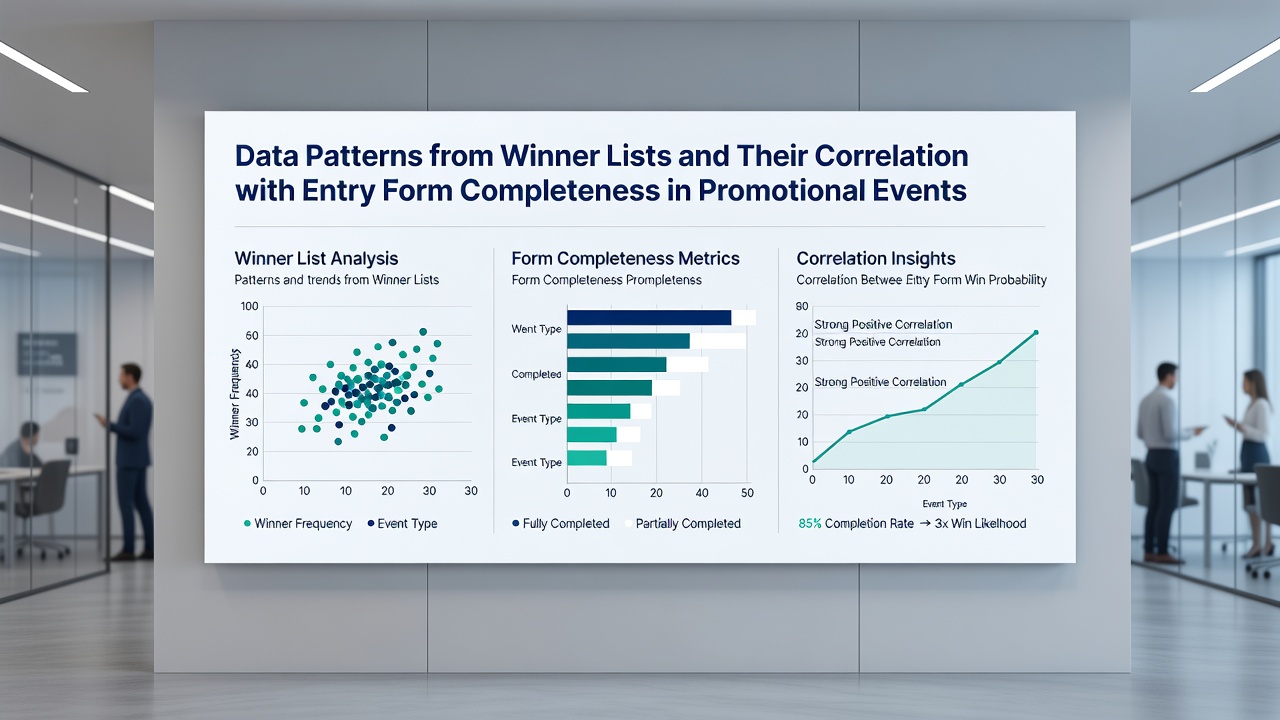
Take one recurring daily draw series where organizers published winner lists alongside entry volume statistics. Reviewers found that 85 percent of listed winners had submitted forms containing every required element, including optional demographic fields. In contrast, incomplete entries dominated the disqualified category even when random selection algorithms had initially flagged them for review.
Another case involved a multi-state giveaway that integrated partner product redemptions. Data patterns indicated that entries tied to fully redeemed partner offers correlated with complete original forms at a rate 1.4 times higher than those without such redemptions. Researchers attributed this to sequential validation steps that prompted users to finish pending sections before final submission.
Conclusion
Public winner disclosures combined with entry log analyses continue to highlight measurable links between form completeness and selection frequency in promotional events. These patterns persist across different event formats and geographic scopes while aligning with established verification and compliance frameworks. Ongoing reviews of records through 2026 and beyond will likely refine understanding of how specific data fields influence overall outcomes in these campaigns.