Disqualification Patterns Emerging from Incomplete Partner Offer Redemptions in Contest Periods
Iris Keller · May 27, 2026
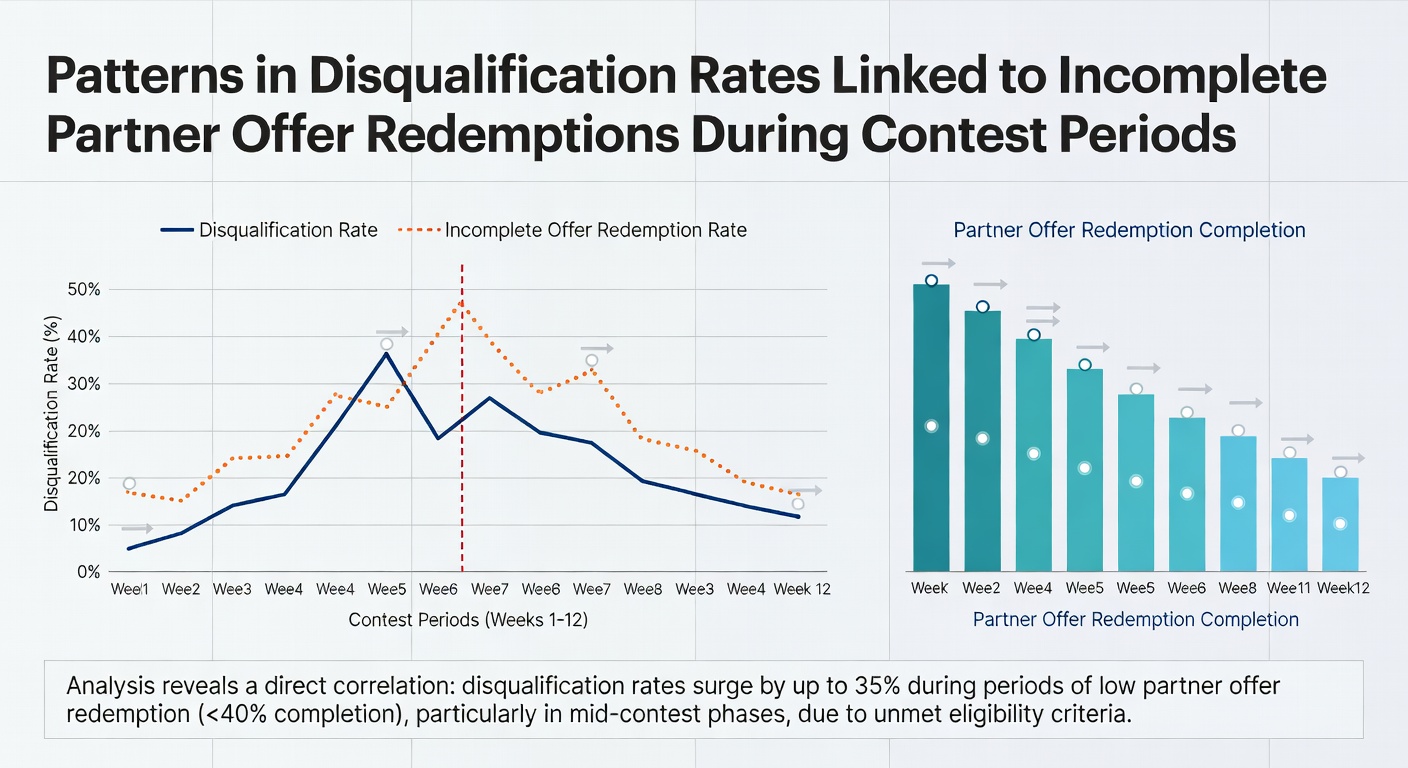
Disqualification Patterns Emerging from Incomplete Partner Offer Redemptions in Contest Periods
Contest organizers track disqualification rates closely because incomplete redemptions of partner offers create measurable spikes in entry invalidations during active promotion windows, and data collected through May 2026 shows these patterns repeating across national campaigns with partner tie-ins. Observers note that when participants receive bonus entries or prize multipliers tied to partner products yet fail to complete the required redemption steps, their submissions drop out of final draws at higher percentages than standard entries. This occurs because rules enforce verification of offer completion before any prize claim advances, which leaves gaps in the participant pool that grow wider as contest deadlines approach.
Entry Pathways and Redemption Requirements
Many recurring promotions structure partner offers as optional yet high-value add-ons that require users to purchase or register through third-party channels, and those steps carry strict timelines that align with the main contest period. When redemptions remain unfinished, entries tied to those offers trigger automatic disqualification flags during post-entry audits. Researchers have documented this sequence in campaigns where partner redemptions must occur within 48 hours of initial entry, which creates bottlenecks for participants who delay action until later in the promotion cycle.
Key Factors Driving Incomplete Redemptions
- Delayed notification delivery from partner platforms that prevents timely action
- Technical mismatches between entry systems and redemption portals that block confirmation codes
- Participant confusion over multi-step requirements listed in fine print across separate rule sets
Studies from the Federal Trade Commission highlight how verification processes catch these incomplete actions before winners are selected, and similar monitoring appears in reports issued by regulatory bodies in other regions. Those who've examined entry logs across multiple events find that disqualification clusters often align with partner offer deadlines rather than the main contest close date.
Regional Data Trends Observed in 2025-2026 Campaigns
Figures compiled from North American and Australian promotions reveal consistent elevation in disqualification when partner offers remain open, and one analysis from the Australian Competition and Consumer Commission tracked a 17 percent rise in invalid entries during periods with active co-branded redemptions. Entries that skipped the partner step maintained lower disqualification ratios, which underscores how the additional layer introduces friction points not present in direct-entry formats. Contest administrators adjust rule language each cycle to clarify these steps, yet incomplete redemptions persist at measurable rates.
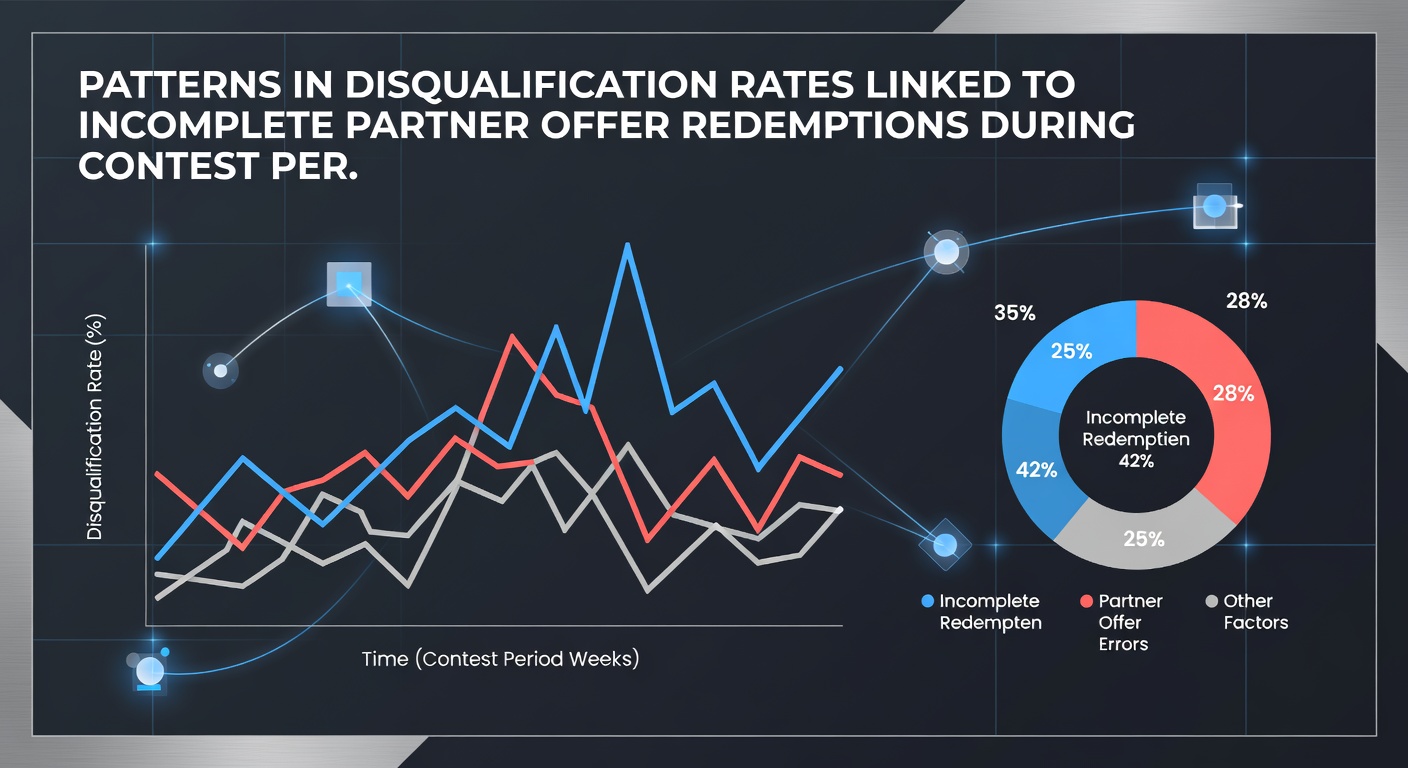
What's interesting is how timestamps on redemption attempts cluster near the end of each partner window, leaving little margin for error if systems flag the entry for review. Observers note that campaigns running through May 2026 continue to show this same compression, with higher volumes of late redemptions correlating directly to increased audit failures. Industry reports from research institutions such as the University of Queensland's consumer behavior studies further map these timing effects across recurring national events.
Impact on Participant Pools and Draw Integrity
When disqualifications remove entries linked to partner offers, the remaining pool shrinks in ways that affect overall draw probabilities for compliant participants. Organizers publish updated winner disclosures after each verification round, and those announcements often reference the percentage of entries removed due to redemption shortfalls. Data indicates this process maintains draw integrity while revealing patterns that repeat year over year in partnered formats.
Take one researcher who examined timestamped logs from a multi-partner campaign and discovered disqualification peaks occurring 72 hours after each partner offer deadline passed. This timing gap allows systems to cross-reference redemption status against entry records before advancing any names to final selection. Those patterns hold steady even as total entry volumes fluctuate, which points to structural elements within the redemption process rather than external variables.
Conclusion
Patterns in disqualification rates tied to incomplete partner offer redemptions continue to surface in contest data sets through May 2026 and beyond, driven by verification rules that require full completion before draws proceed. Regulatory sources and academic analyses confirm these trends across regions, showing how timing mismatches and system flags consistently elevate invalidation numbers when partner steps remain unfinished. Contest operators refine disclosure practices and entry interfaces each cycle to address the friction points identified in prior events, yet the core linkage between redemption completion and disqualification outcomes remains a documented feature of partnered promotions.