Decoding Claim Timelines: How Official Disclosures Guide Prize Distribution in Recurring Partner Events
Taylor Hughes · May 18, 2026
Decoding Claim Timelines: How Official Disclosures Guide Prize Distribution in Recurring Partner Events
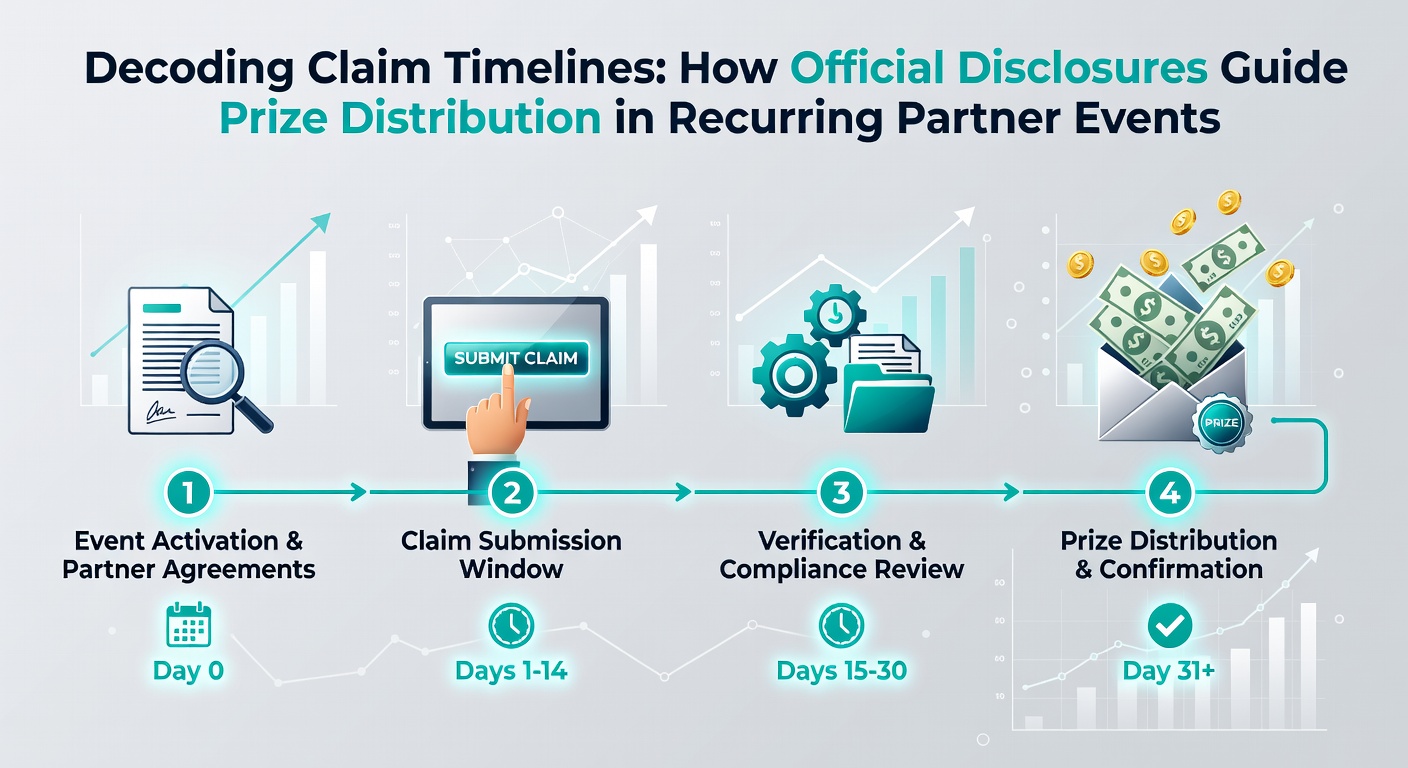
Official disclosures in recurring partner events establish precise claim windows that determine when winners must act to receive prizes, and these timelines often span from notification dates through verification steps that partners coordinate across multiple cycles. Data from regulatory filings shows that most promotional partners publish claim periods ranging between fourteen and sixty days, with extensions sometimes available when documentation requests extend beyond initial deadlines. Observers note that such structures prevent indefinite holds on prize funds while allowing time for identity confirmation and tax reporting requirements that vary by jurisdiction.
Notification Protocols Set the Starting Point
Recurring events rely on disclosures that specify exactly how winners receive notice, whether through registered mail, email confirmations, or account dashboard alerts posted within five business days of each draw. Those who've tracked patterns across seasonal campaigns find that partners must log these notifications in public records to demonstrate compliance, and any delays in delivery can shift the entire claim timeline forward by the same number of days. Research indicates that clear language in the rules prevents disputes, since participants who miss the first notice still have access to secondary reminders listed in the same disclosure documents.
Verification Steps Shape the Middle Phase
After initial contact, disclosures outline required documentation such as government-issued identification, signed affidavits, and sometimes proof of eligibility that partners collect and review before releasing prizes. This phase frequently consumes the bulk of the allotted window because multiple partners may need to cross-check entries against shared databases. Studies from consumer protection agencies reveal that incomplete submissions trigger automatic extension requests, yet these extensions rarely exceed the original maximum period stated in the rules, which keeps the distribution cycle moving for subsequent events.
Recurring Cycles Influence Rollover Provisions
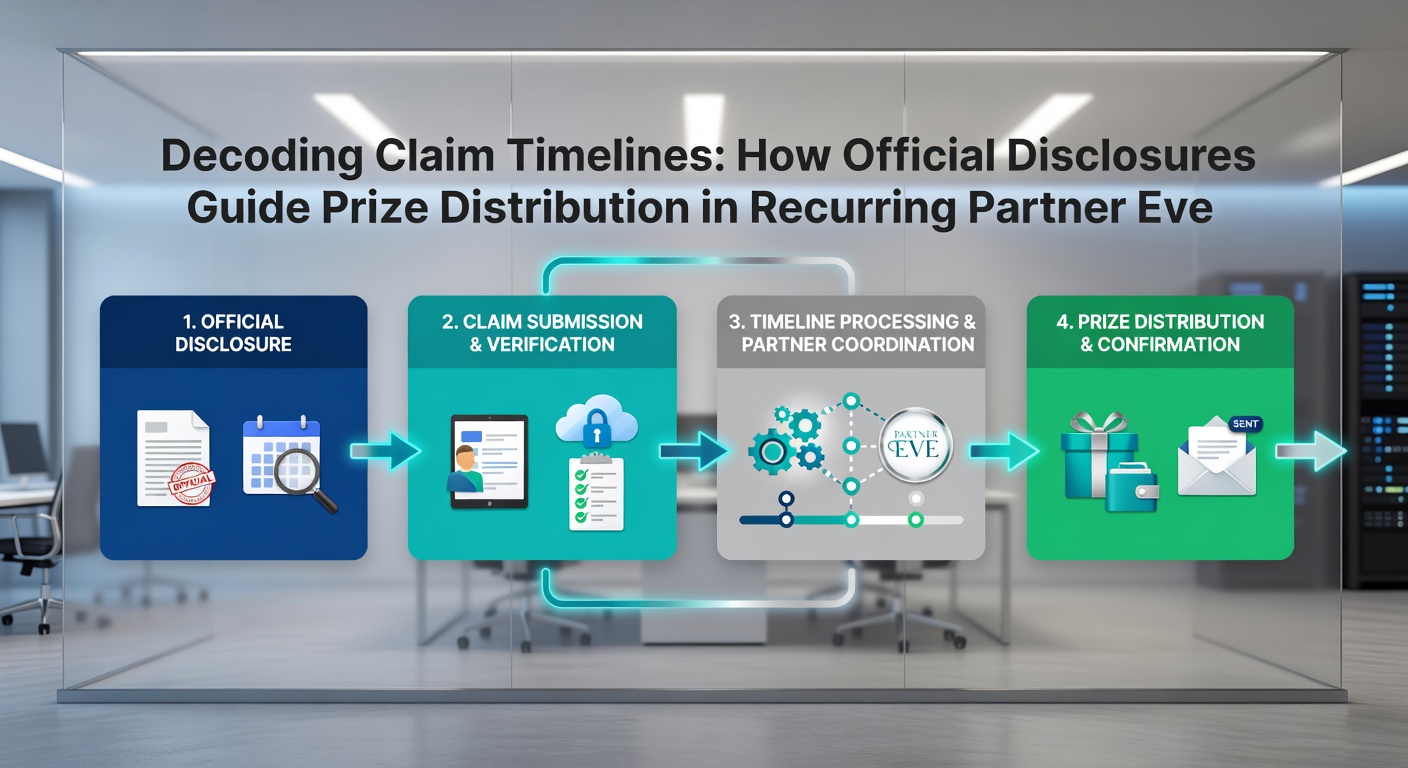
When winners fail to claim prizes within stated periods, disclosures detail how those awards transfer into later rounds rather than remaining unclaimed indefinitely. Partners often integrate these rollover clauses into their agreements so that monthly or quarterly events maintain consistent prize pools without accumulating liabilities. According to reports from the Australian Competition and Consumer Commission, transparent rollover language protects both organizers and entrants by clarifying that unclaimed items do not automatically convert to cash equivalents unless explicitly stated. This approach supports sustained engagement across repeated collaborations between brands and promotion platforms.
Geographic Variations Affect Claim Expectations
Different regions impose distinct requirements that disclosures must accommodate, such as additional tax withholding forms required in certain U.S. states or consumer cooling-off periods observed in Canadian provinces. Partners address these differences by listing jurisdiction-specific instructions within the same master document, allowing participants to locate relevant sections quickly. Figures released by the Federal Trade Commission show that events spanning multiple countries experience fewer compliance issues when disclosures include hyperlinks to local regulatory guidance rather than embedding full legal text. Those managing recurring programs therefore maintain template disclosures that update automatically with each new partner addition.
Documentation and Record-Keeping Requirements
Official rules require partners to retain claim records for defined periods, often three to seven years, so that auditors can verify proper distribution. These records include timestamps of notifications, copies of submitted documents, and final delivery confirmations that close each claim cycle. Research from academic marketing departments indicates that robust record-keeping correlates with higher participant trust because winners can reference published timelines when questions arise about processing status. In May 2026, several major partner networks plan to release updated disclosure templates that incorporate digital signature options to streamline verification without lengthening overall claim windows.
Impact on Participant Behavior and Event Design
Clear timelines encourage timely responses because participants understand that missing deadlines means forfeiting awards to future cycles. Partners design entry mechanisms around these realities, often sending calendar reminders tied directly to the disclosure language. Data shows that events with straightforward claim instructions achieve higher redemption rates, which in turn supports continued sponsorship from collaborating brands. What's interesting is how small adjustments to notification frequency within the rules can shift redemption patterns without altering the core distribution schedule.
Conclusion
Official disclosures serve as the backbone for managing claim timelines across recurring partner events, providing structured guidance that balances participant rights with operational efficiency. By detailing notification methods, verification steps, rollover provisions, and record retention, these documents ensure prizes reach eligible winners within predictable windows. As partnerships expand and regulatory expectations evolve, the precision of these disclosures continues to determine the smooth flow of prize distribution from one cycle to the next.