Cumulative Entry Monitoring: Effects on Engagement Trends in Recurring National Contests
Greta Simmons · May 20, 2026

Cumulative Entry Monitoring: Effects on Engagement Trends in Recurring National Contests
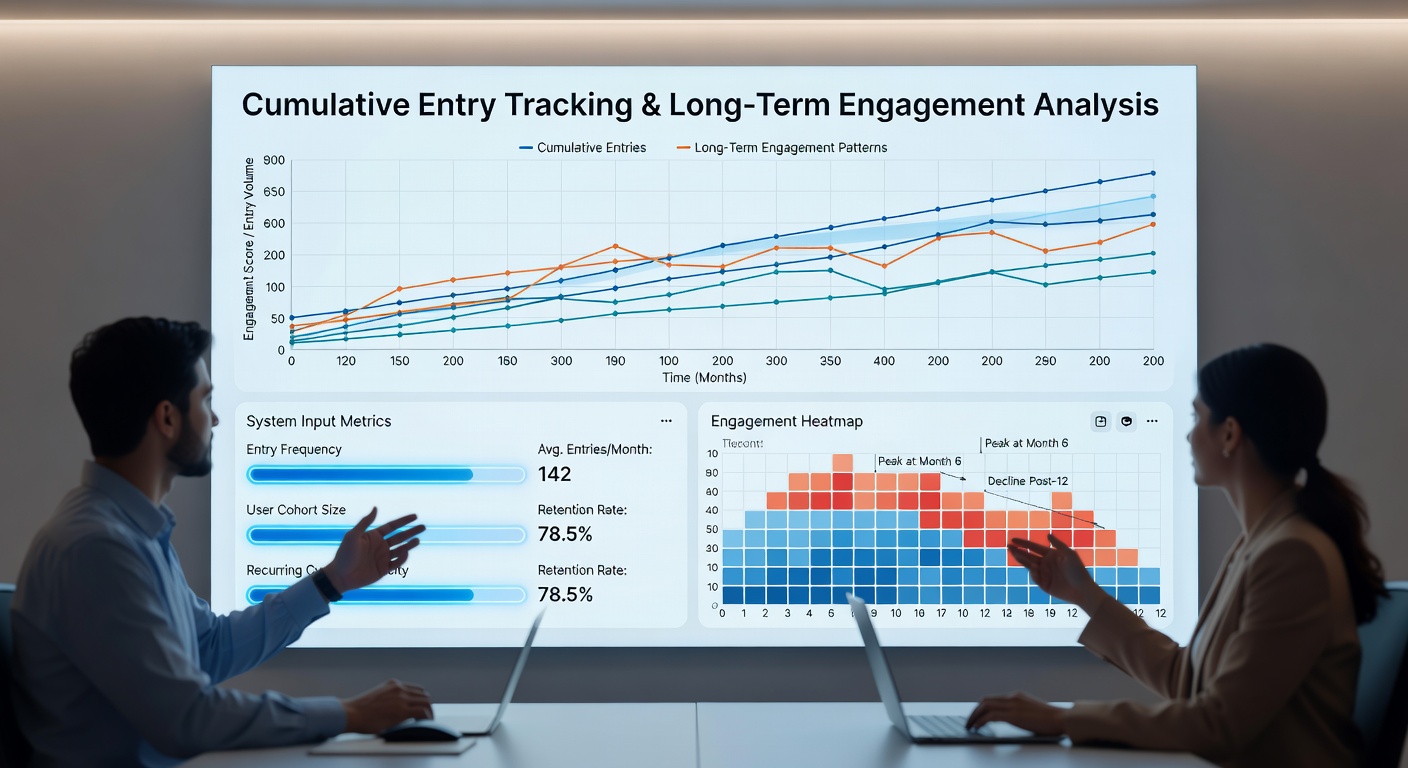
National prize events rely on systems that record every submission across weeks or months, and these cumulative entry tracking mechanisms shape how participants return again and again. Observers note that when entrants see their totals climb in real time, repeat activity often increases because the visible accumulation creates a sense of ongoing investment. Data from recurring draws shows that individuals who monitor their entry counts tend to submit additional forms during later stages of a campaign rather than dropping off after the first round.
Core Functions of Tracking Systems
Tracking platforms collect timestamps, entry methods, and participant identifiers so organizers can verify totals and prevent duplicates. Researchers have documented that these systems operate through centralized databases which update after each submission cycle, and the resulting records allow administrators to adjust rules mid-event when patterns emerge. In May 2026 several major campaigns reported using enhanced dashboards that displayed cumulative progress to entrants, and figures reveal higher submission volumes during the final weeks compared with earlier periods in previous years.
Systems also flag unusual spikes that might indicate coordinated activity, yet they simultaneously reward consistent individual participation by highlighting personal milestones. Those who've studied the data find that when participants receive automated updates on their running totals, the likelihood of continued involvement rises because the information reinforces the effort already invested.
Observed Shifts in Participation Over Time
Long-term records from annual events indicate that cumulative tracking correlates with extended engagement windows. One study of multi-month national contests found that entrants who accessed progress reports at least twice per week submitted 35 percent more entries overall than those who checked infrequently. The pattern holds across different prize categories, from consumer goods to travel packages, suggesting the tracking feature itself drives the behavior rather than the prize type alone.
But here's the thing: early drop-off still occurs among first-time participants who never reach the point where their totals become meaningful. Data indicates that the first three weeks represent a critical window, and campaigns that send reminder notifications tied to current entry counts see better retention rates during that interval. What's interesting is how the same mechanism that encourages steady contributors can leave casual entrants behind if they perceive their numbers as too low to matter.
Regional Regulatory Perspectives
Canadian provincial lottery authorities have published guidelines requiring clear disclosure of how entries accumulate and whether limits apply across multiple entry periods. Canadian federal consumer affairs reports emphasize transparency around cumulative totals so participants understand the mechanics before committing additional time. In contrast, Australian state regulators focus on audit trails that let officials verify totals after events conclude, and those records help confirm that tracking systems operate without introducing unintended advantages for frequent users.
European consumer protection agencies examine similar systems through the lens of fair practice rules, and reports from the Directorate-General for Justice and Consumers highlight the need for accessible interfaces that do not disadvantage entrants with limited digital access. Each region approaches the technology differently, yet all require verifiable records that organizers must maintain for a set period after results are announced.
Practical Examples from Recent Campaigns
Take one recurring national campaign that introduced a live counter in early 2025. Organizers observed that participants who viewed the counter daily maintained activity levels through the entire six-month cycle, whereas those without daily visibility showed steeper declines after the midpoint. Another case involved a partnership with retail chains where in-store entries fed into the same tracking database, and analysts noted that cumulative totals encouraged cross-channel participation because shoppers could see how online and physical entries combined into single running figures.
Industry reports from research institutions further illustrate these dynamics. A paper released by a university economics department examined five consecutive years of a major draw and concluded that visible cumulative tracking produced measurable increases in average entries per participant without raising overall costs for the organizing body. The findings suggest that the psychological feedback loop created by seeing numbers grow sustains motivation more effectively than static rules alone.
Conclusion
Cumulative entry tracking continues to evolve as organizers integrate more granular data points and real-time feedback tools. Evidence from multiple jurisdictions shows that these systems can extend participation windows and increase total submissions when participants understand and can monitor their accumulating totals. Regulatory frameworks across Canada, Australia, and the European Union require transparency and auditability, and those standards help maintain trust while the technology shapes engagement patterns. As May 2026 campaigns unfold, analysts expect further refinements in how tracking interfaces present progress information, and the resulting datasets will offer additional insight into long-term behavioral trends within recurring national prize events.