Automated Systems for Handling Entry Surges in Seasonal Promotional Events
Greta Keller · Jul 8, 2026
Automated Systems for Handling Entry Surges in Seasonal Promotional Events
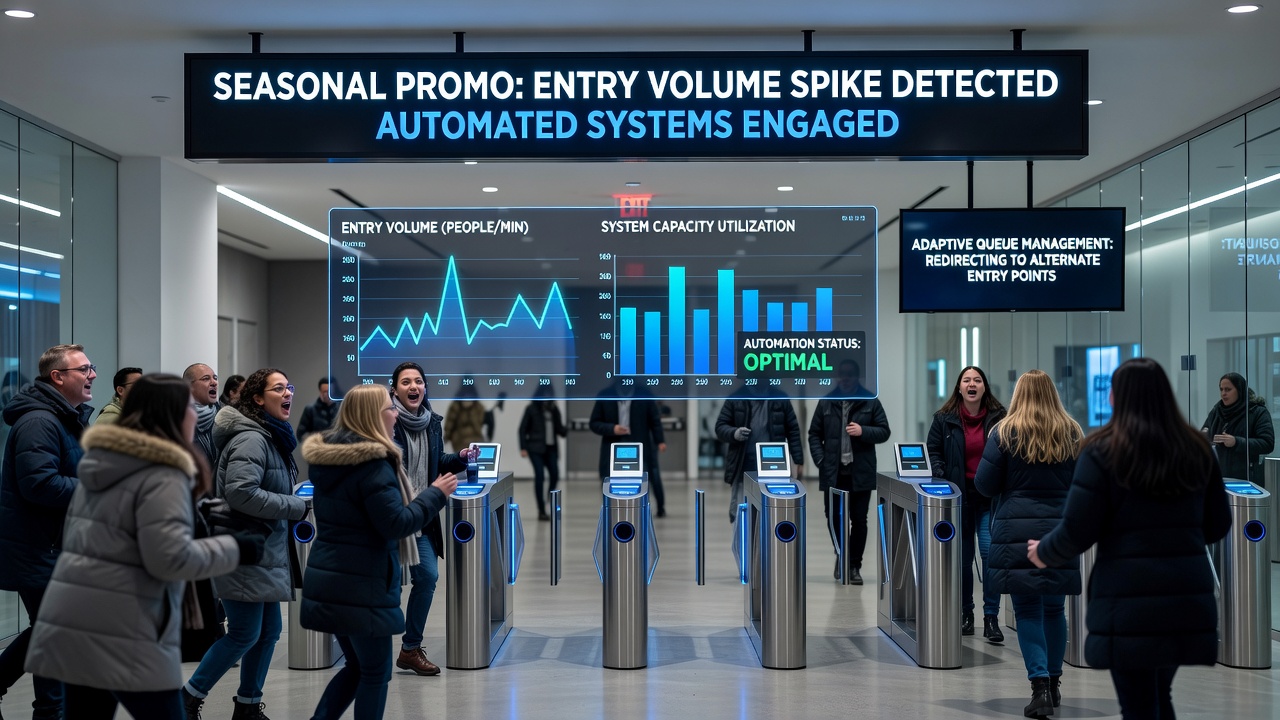
Seasonal promotional activities often generate sudden surges in entry volumes, and automated systems address these spikes through dynamic resource allocation and real-time monitoring; researchers have documented how these mechanisms maintain operational stability across multi-partner campaigns that run during peak periods such as summer events in July 2026.
Core Components of Volume Management Infrastructure
Cloud-based platforms form the foundation for processing thousands of submissions per minute, and they rely on auto-scaling groups that activate additional servers when traffic thresholds are crossed; data from industry reports indicates these groups adjust capacity within seconds rather than minutes, which prevents queue buildup during flash promotions tied to national holidays or back-to-school seasons.
Load balancers distribute incoming requests across available nodes while rate-limiting algorithms cap submissions from single IP addresses or accounts, and observers note that this combination reduces server strain without blocking legitimate participants who submit multiple entries through approved channels.
Verification and Fraud Detection Layers
Automated filters scan each submission for duplicate patterns, incomplete fields, and suspicious metadata before entries reach the central database, and studies published by academic institutions show that machine-learning models trained on historical contest data improve detection accuracy over time; these models flag anomalies such as rapid-fire submissions from the same device fingerprint, which helps organizers maintain selection equity across recurring events.
Timestamp logging occurs at the point of receipt, and cross-referencing with partner databases occurs in parallel to confirm eligibility against redemption records; this process runs continuously rather than in batches, which shortens the interval between submission and confirmation for participants.
Geographic and Regulatory Considerations
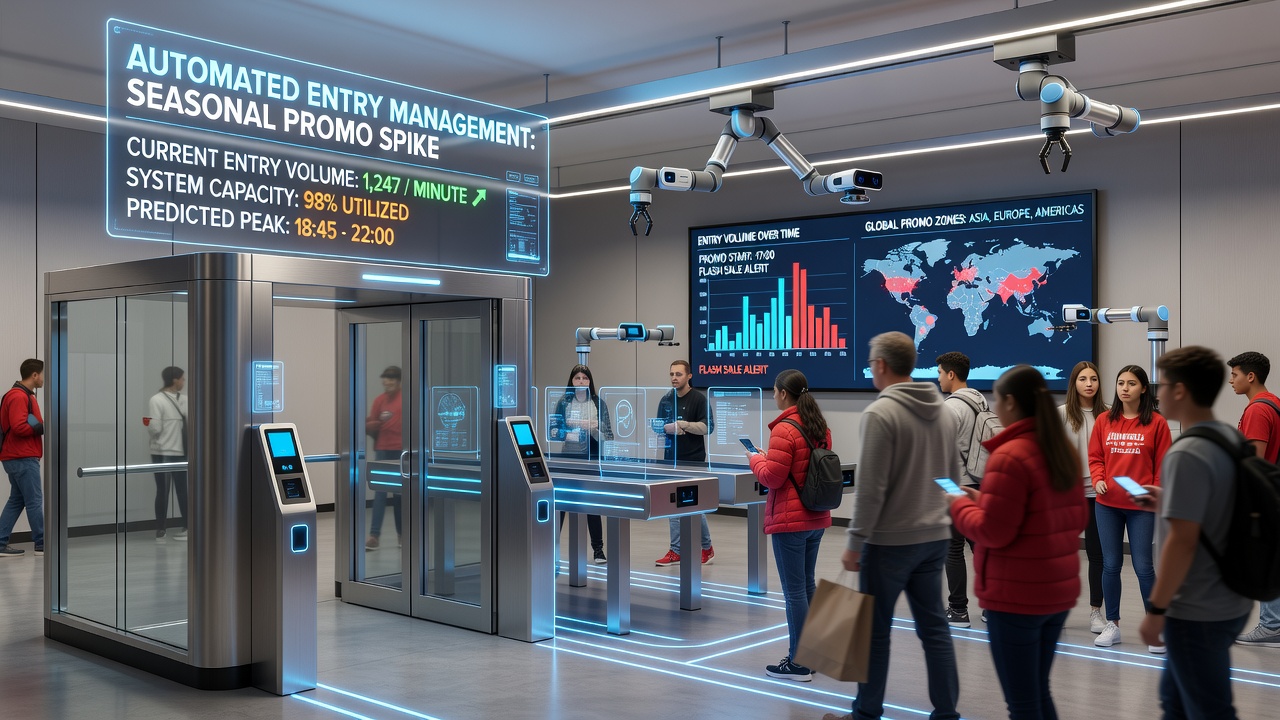
Systems deployed for multi-regional promotions incorporate region-specific compliance checks that activate automatically based on entrant location data, and figures from the Australian Competition and Consumer Commission reveal that transparent logging of these checks supports audit trails required under local promotional standards; similar protocols appear in Canadian regulatory frameworks where entry validation must align with provincial consumer protection rules.
During July 2026 campaigns, organizers integrated additional verification steps for cross-border entries to accommodate varying tax reporting requirements, and those who've analyzed post-event disclosures report that automated reconciliation reduced claim processing times compared with earlier manual reviews.
Performance Metrics and Scaling Outcomes
Real-time dashboards track metrics such as entries per second, rejection rates, and server utilization, and these dashboards feed into predictive models that anticipate spikes based on campaign launch timing and social media amplification; one study from a European research consortium found that preemptive scaling reduced downtime incidents by measurable margins during comparable seasonal windows.
Sharding techniques split entry databases across multiple storage clusters, which allows concurrent writes without locking conflicts, and this architecture proves particularly effective when partner networks contribute simultaneous traffic streams from distinct promotional channels.
Conclusion
Automated systems manage entry volume spikes by combining scalable infrastructure with layered verification protocols that preserve processing speed and data integrity; evidence from regulatory bodies and academic analyses confirms these approaches support consistent outcomes across seasonal promotional calendars, including events scheduled for July 2026 and beyond.