Algorithmic Filters and Their Role in Shaping Equity During Multi-State Promotional Selections
Greta Keller · May 30, 2026
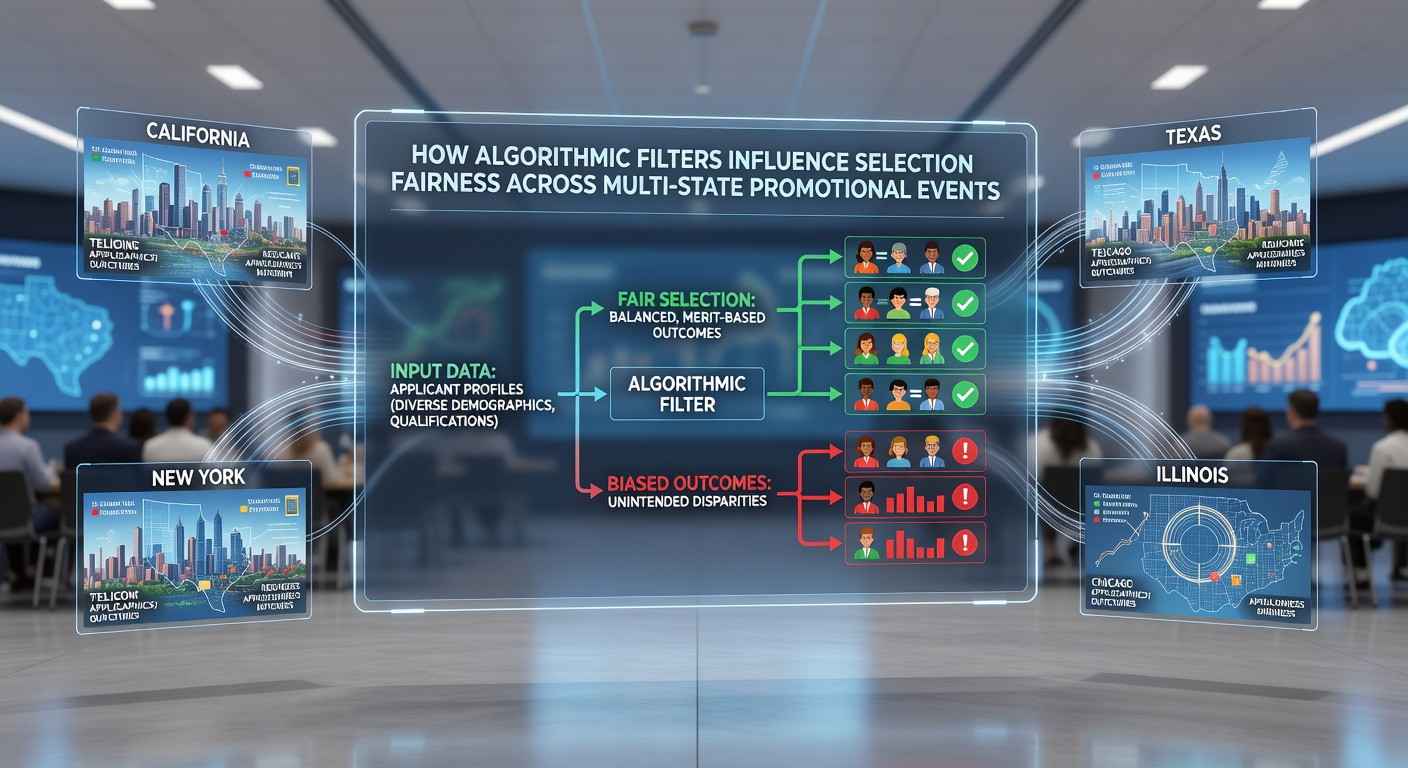
Algorithmic Filters and Their Role in Shaping Equity During Multi-State Promotional Selections
Algorithmic filters process large volumes of entries in promotional events that span multiple states, and these systems apply rules based on eligibility criteria, entry patterns, and compliance checks to determine who advances to final draws. Researchers at academic institutions have examined how these filters operate across jurisdictions where different state regulations govern prize promotions, and data shows they reduce manual review workloads while introducing layers of automated decision-making that affect participant pools.
Core Mechanisms Behind Filter Deployment
Promotional organizers deploy filters that scan timestamps, geographic data, and redemption histories to flag potential duplicates or violations before selections occur. Studies from research institutions indicate these tools integrate with entry databases in real time, and operators adjust parameters to align with varying state laws on age restrictions or residency requirements. Observers note that filters often prioritize speed during high-volume periods, which leads to batch processing of thousands of submissions in coordinated events held simultaneously across regions.
One study revealed that timestamp verification forms a primary layer, and this step cross-references entry times against server logs to prevent automated submissions from dominating results. Additional layers examine offer redemptions tied to partner campaigns, and discrepancies in those records trigger exclusion protocols that vary by state enforcement standards.
Geographic Variations and Compliance Adjustments
Multi-state events require filters to account for differences in disclosure rules, and systems pull from regulatory databases maintained by bodies such as the Federal Trade Commission in the United States alongside the Australian Competition and Consumer Commission for cross-border comparisons. Figures from industry reports demonstrate that filters recalibrate thresholds when events cross into jurisdictions with stricter documentation demands, which alters teh proportion of entries that reach random draw stages.
Entries from states with mandatory cooling-off periods receive additional validation steps, and this process extends review windows before final selections. Data collected during 2025 events shows that such adjustments maintained compliance rates above 95 percent in coordinated national promotions, while similar patterns appear in ongoing preparations for activities scheduled through May 2026.
Effects on Participant Representation and Draw Outcomes
Filters influence the composition of eligible groups by applying consistent scoring models that weigh entry completeness and behavioral signals, and evidence from operational analyses suggests these models can shift demographic balances when certain regions submit higher volumes of incomplete forms. Researchers discovered that incomplete partner offer redemptions lead to higher disqualification rates in specific states, and this pattern emerges most clearly during recurring campaigns that span multiple months.
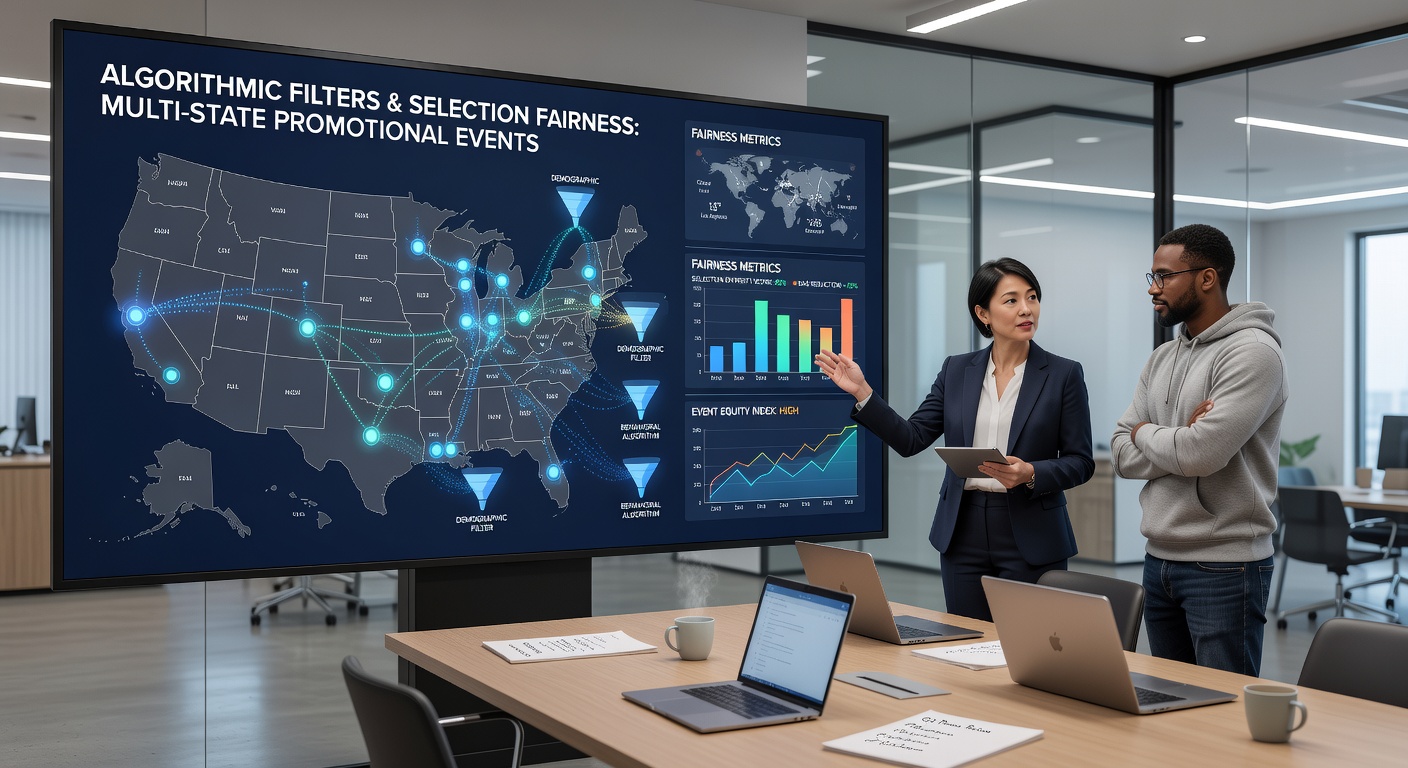
Selection fairness metrics track the ratio of entries that survive filtering versus those removed at each stage, and reports from trade organizations highlight how transparency in filter logic correlates with higher trust levels among participants. Those who have studied these systems note that public disclosures of filter criteria help entrants understand why certain submissions do not advance, which reduces post-event inquiries in multi-state formats.
Regulatory Oversight and Data Transparency Practices
Government agencies monitor filter performance through periodic audits, and the European Commission consumer protection framework provides guidelines that influence how operators document algorithmic decisions for events with international reach. Evidence indicates that detailed logging of filter actions supports compliance verification, and this practice becomes essential when organizers must demonstrate equitable treatment across state lines during investigations.
Industry associations compile aggregated statistics on filter pass rates, and these datasets allow comparisons between single-state and multi-state promotions to identify systemic variances. Patterns observed in recent campaigns show that filters calibrated with region-specific rules maintain more balanced advancement rates than uniform national models, although calibration requires ongoing updates as laws evolve.
Future Developments in Filter Technology
Developments scheduled for implementation around May 2026 include enhanced machine learning components that refine eligibility predictions based on historical compliance data across states. Academic papers outline how these upgrades could incorporate real-time regulatory feeds, which would allow filters to adapt dynamically when new disclosure requirements take effect in participating jurisdictions.
Trade groups continue to evaluate pilot programs that test explainable AI features within filters, and early results point to improved audit trails that satisfy oversight bodies in multiple regions simultaneously. Observers note that such advancements address gaps in current systems where manual overrides remain necessary for edge cases involving cross-state entries.
Conclusion
Algorithmic filters serve as central components in managing selections for multi-state promotional events, and their configuration directly shapes which entries qualify for final consideration under diverse regulatory environments. Research indicates that ongoing refinements in filter design, supported by data from regulatory sources and academic studies, continue to influence fairness outcomes as events expand in scope and complexity. Operators rely on these systems to balance efficiency with compliance, and documented practices from multiple jurisdictions illustrate how filter parameters adapt to maintain consistent standards across state boundaries.