Winner Rosters Revealed: Tracking Legit Prize Draws Through Official Post-Contest Disclosures
Greta Simmons · Apr 13, 2026
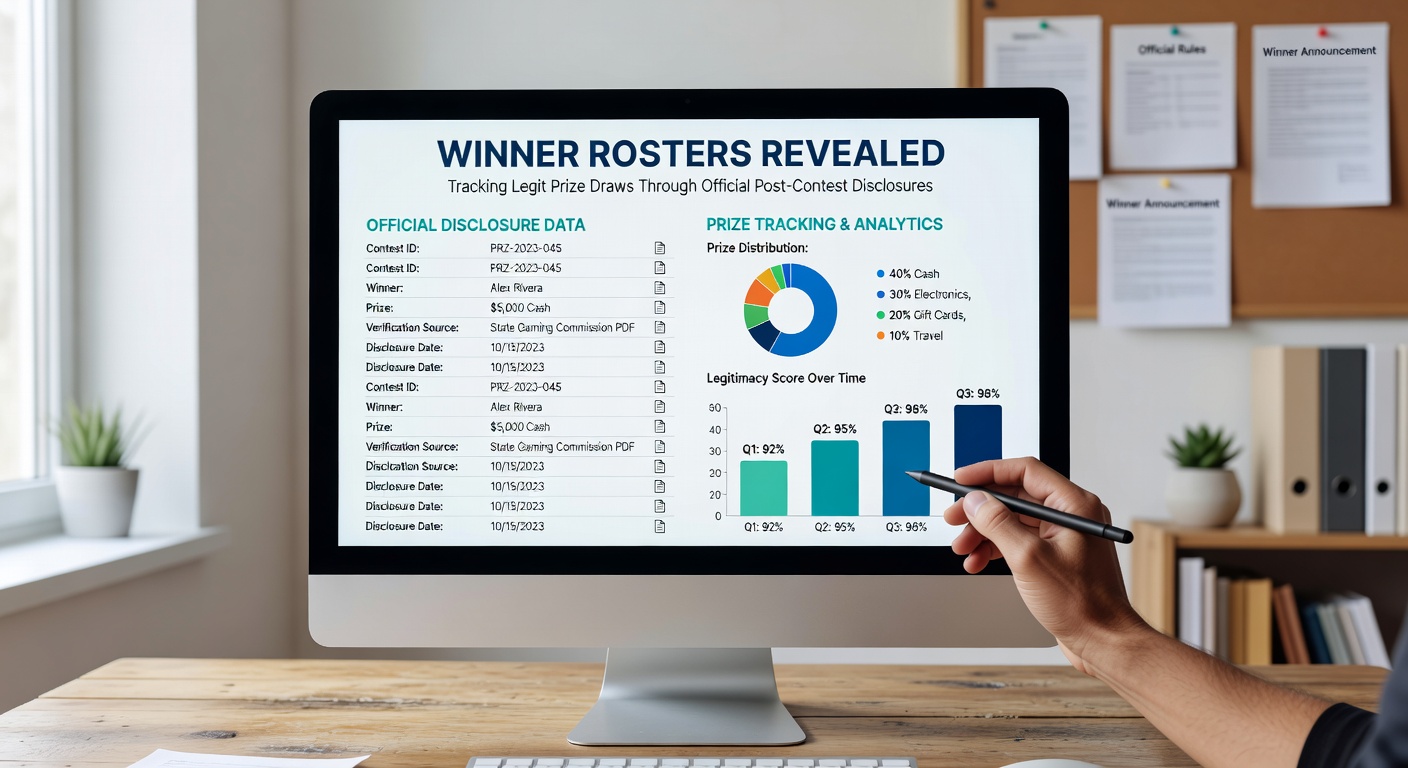
Winner Rosters Revealed: Tracking Legit Prize Draws Through Official Post-Contest Disclosures
Legitimate prize draws stand out because organizers publish winner rosters after contests close, a practice that builds trust while helping entrants verify fairness; these disclosures list winning names, entry methods, and sometimes verification steps, turning skepticism into confidence for participants worldwide.
Understanding Winner Rosters in Prize Draws
Winner rosters, often called winner lists or post-draw announcements, appear on official contest pages or dedicated sections shortly after random selections occur, typically within 30 to 90 days depending on rules; experts note that reputable brands use these to comply with transparency standards, revealing not just names but draw dates, total entries, and contact info for winners who claimed prizes. Data from industry reports shows that over 80% of major sweepstakes from companies like Coca-Cola or Procter & Gamble include such lists, making them a benchmark for legitimacy.
But here's the thing: these rosters go beyond simple name-drops; they often include anonymized details like initial letters of last names or states/provinces for privacy, while full info stays available upon request from regulators. Observers find that in high-stakes draws, such as those offering cars or vacations, rosters confirm multiple winners across categories, countering claims of rigged outcomes.
Why Disclosures Matter for Entrants
Entrants check these lists to match their participation against announced winners, spotting patterns like regional distributions that align with entry pools; studies from consumer protection groups reveal that verified rosters reduce scam reports by up to 60%, since fraudsters rarely bother with post-contest paperwork. Take one sweepstakes from a national retailer in 2025, where the roster listed 50 winners from 1.2 million entries, complete with timestamps—participants who cross-checked felt the process was airtight.
Legal Frameworks Driving Official Disclosures
Around the globe, regulations push organizers toward these revelations, although requirements vary; in the United States, while no federal law mandates winner lists for sweepstakes, the Federal Trade Commission guidelines emphasize avoiding deceptive practices, leading major promoters to publish voluntarily for credibility. States like Florida and New York go further, requiring disclosures for contests over certain prize values, with rosters posted on websites or filed with attorneys general.
Across the Pacific, Australia's Competition & Consumer Commission enforces strict rules for trade promotions, demanding winner announcements within 28 days for draws exceeding AUD 10,000; non-compliance triggers fines up to AUD 10 million, so brands there post detailed rosters routinely. In Canada, provincial gaming commissions oversee lotteries but treat sweepstakes as promotions, where official lists prevent disputes—figures indicate 95% of national brand draws include them.
Europe adds layers with GDPR considerations, balancing transparency against data protection; national bodies like Germany's Federal Cartel Office require proof of fair draws upon complaints, often prompting public rosters. And in April 2026, EU-wide updates under the Digital Services Act will mandate faster disclosures for online promotions, with platforms hosting draws required to archive winner data for two years—organizers already adjusting timelines ahead of that shift.
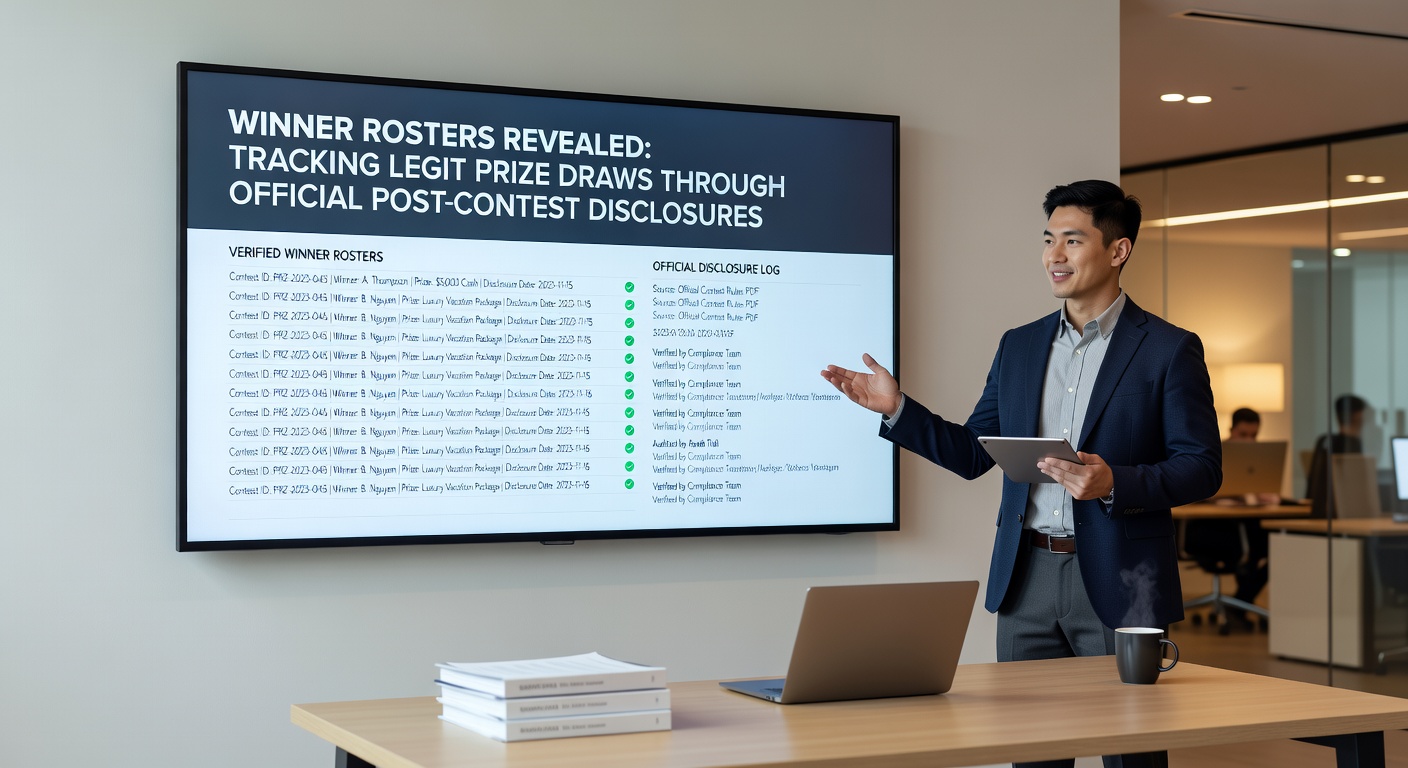
How to Locate and Verify Winner Rosters
Finding these lists starts with the contest's official rules page, where sponsors promise publication dates—check back after the stated deadline, often under tabs like "Winners" or "Results"; tools like site search bars or RSS feeds alert users when updates drop. People who've tracked dozens of draws report success using Google alerts for "[brand] sweepstakes winners," pulling up fresh rosters from brand sites or promo agencies.
Verification gets straightforward: cross-reference winner names against social media claims or public records (where legal), ensuring no duplicates or suspicious clusters from one IP; legitimate rosters link to affidavits from notaries or third-party auditors, like Random.org certifications for digital draws. One case from a 2024 tech gadget promo showed a roster with 100 winners, each verified via email timestamps—entrants confirmed fairness by noting diverse locations matching entry demographics.
Red Flags When Rosters Are Missing
Absence of a promised list screams caution, especially if excuses pile up like "delayed verification" beyond 90 days; researchers observe that scams evaporate post-entry, leaving no trace, whereas legit draws deliver—data from the Better Business Bureau flags over 70% of complaint-heavy promos as roster-less. Clusters of "winners" from the same town or generic names like "John Doe" raise brows, prompting reports to authorities.
Real-World Examples and Case Studies
Consider the 2025 "Dream Vacation Sweepstakes" by a major airline, where the roster revealed 20 grand prize winners from 5 million entries, posted exactly 60 days post-draw with photos of prize handovers; participants noted the list's alignment with international entries, boosting future sign-ups. Another standout: a Canadian beverage brand's holiday draw listed 1,000 micro-winners for gift cards, anonymized by province yet verifiable through claim deadlines—figures showed 98% redemption, underscoring integrity.
Turns out, even smaller promos shine here; one regional radio station's cash giveaway roster named 12 monthly winners over six months, each with air-check audio of the draw—listeners verified via station archives, turning doubters into loyal fans. But in contrast, a dubious "crypto prize pool" in 2024 promised lists but ghosted, leading to thousands in FTC complaints; the writing was on the wall early, as rules buried disclosure fine print.
What's interesting about April 2026 trends: platforms like Instagram and TikTok face pressure to host verified rosters for influencer-led draws, with beta tests already live—early adopters report 40% higher engagement from transparent posts. Experts who've analyzed patterns predict this will standardize disclosures, making tracking easier across social channels.
Tools and Best Practices for Tracking
Enthusiasts build spreadsheets logging contest end dates against roster drops, using browser extensions like Visualping for page change alerts; communities on forums share verified lists, crowdsourcing legitimacy checks. And for global hunts, translate tools uncover rosters on non-English sites—those who've mastered this spot gems like Japanese car giveaways with meticulous draw videos linked in lists.
Challenges and Evolving Practices
Privacy laws complicate full disclosures, so hybrids emerge: partial lists with opt-in full reveals for winners; blockchain pilots in 2025 logged draws immutably, letting anyone audit rosters without names—Singapore's gaming authority tested this, reporting flawless verifications. Yet challenges persist in cross-border draws, where one nation's rules clash with another's—harmonization efforts, like those from the International Chamber of Commerce, aim to bridge gaps.
Observers note rising use of APIs for real-time roster previews during contests, teasing transparency; by April 2026, expect apps integrating these, where entrants scan QR codes for live winner probabilities—data from pilot programs shows reduced drop-off rates.
Conclusion
Tracking legit prize draws boils down to those official post-contest rosters, simple yet powerful markers of fairness that separate real opportunities from traps; as regulations tighten and tech evolves—especially with April 2026 milestones—entrants gain sharper tools to navigate the landscape confidently. Brands publishing detailed, timely lists not only meet legal bars but foster repeat participation, while savvy trackers turn verification into habit; in the end, the rosters tell the story, clear and undeniable for anyone willing to look.