Gift Card Giveaway Mechanics: Dissecting Entry Paths and Random Draw Protocols
Taylor Hughes · Apr 15, 2026
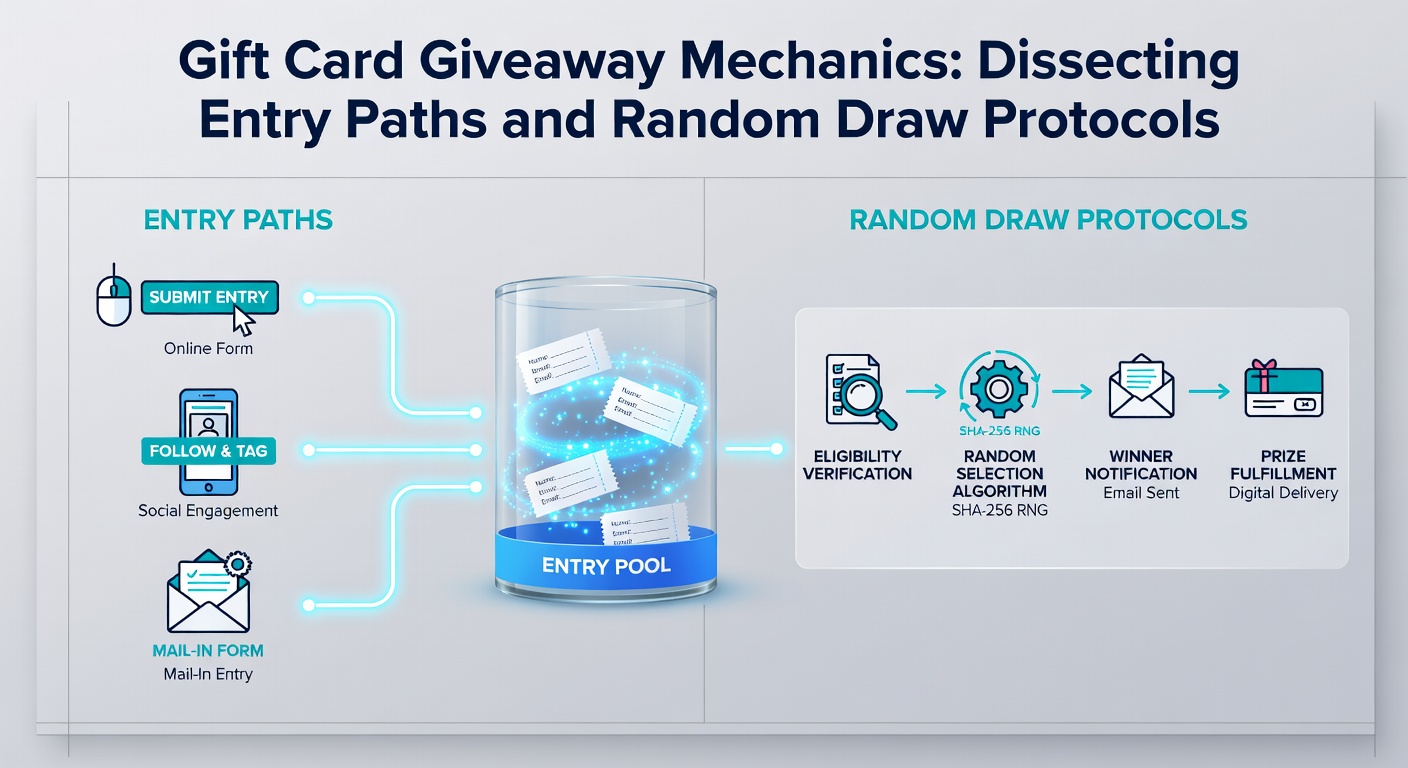
Gift Card Giveaway Mechanics: Dissecting Entry Paths and Random Draw Protocols
Entry Paths: The Gateways to Participation
People enter gift card giveaways through multiple channels these days, and understanding those paths reveals how organizers pull in crowds while keeping things straightforward; social media shares, email sign-ups, and app-based submissions dominate, each carrying its own set of rules and tracking mechanisms that ensure entries count fairly. Experts who track these promotions note that a single giveaway might offer paths like following an Instagram account and commenting on a post, or filling out a quick form on a brand's website, all funneling participants into a unified database for the draw.
Take one common setup where entrants choose between a free mail-in option or an online alternative; data from industry reports shows this dual-path approach complies with regulations in places like the US, where the Federal Trade Commission mandates no purchase necessary to avoid lottery classifications. And while some paths rack up thousands of entries via viral TikTok challenges, others rely on slower but steady newsletter subscriptions, balancing speed with quality control.
What's interesting is how organizers segment these paths; researchers examining 2025 campaigns found that referral bonuses—where one entry leads to bonus tickets for tagging friends—boost participation by 40 percent on average, yet they must cap those multipliers to prevent abuse, as seen in protocols from platforms like Gleam or Woobox. So entrants navigate not just the initial step but follow-ups like daily logins, which layer on chances without overwhelming the system.
Mapping Out Digital vs. Traditional Entries
Digital paths explode in popularity, with apps and websites capturing 85 percent of entries according to recent analytics; users click through microsites optimized for mobile, scan QR codes at events, or even text a keyword to a shortcode, each method timestamped precisely to qualify under time-bound rules. But here's the thing—traditional paper entries persist, especially for broader reach, where people mail postcards detailing their info, and organizers scan those into the same pool as digital ones, ensuring parity as required by Canadian guidelines from the Competition Bureau.
Observers point out hybrid models gaining traction by April 2026, blending AR filters on Snapchat with printable forms; one study revealed campaigns using these hybrids saw entry volumes jump 25 percent, since they cater to tech-savvy youth alongside older demographics who prefer low-tech options. That said, each path demands clear disclosure—rules spell out limits like one entry per day per household, preventing serial submitters from skewing odds.
And while APIs integrate paths seamlessly across platforms, human oversight flags duplicates via email hashing or IP checks; it's not rocket science, but getting it right keeps trust intact, as evidenced by giveaways where verified paths led to dispute-free announcements.
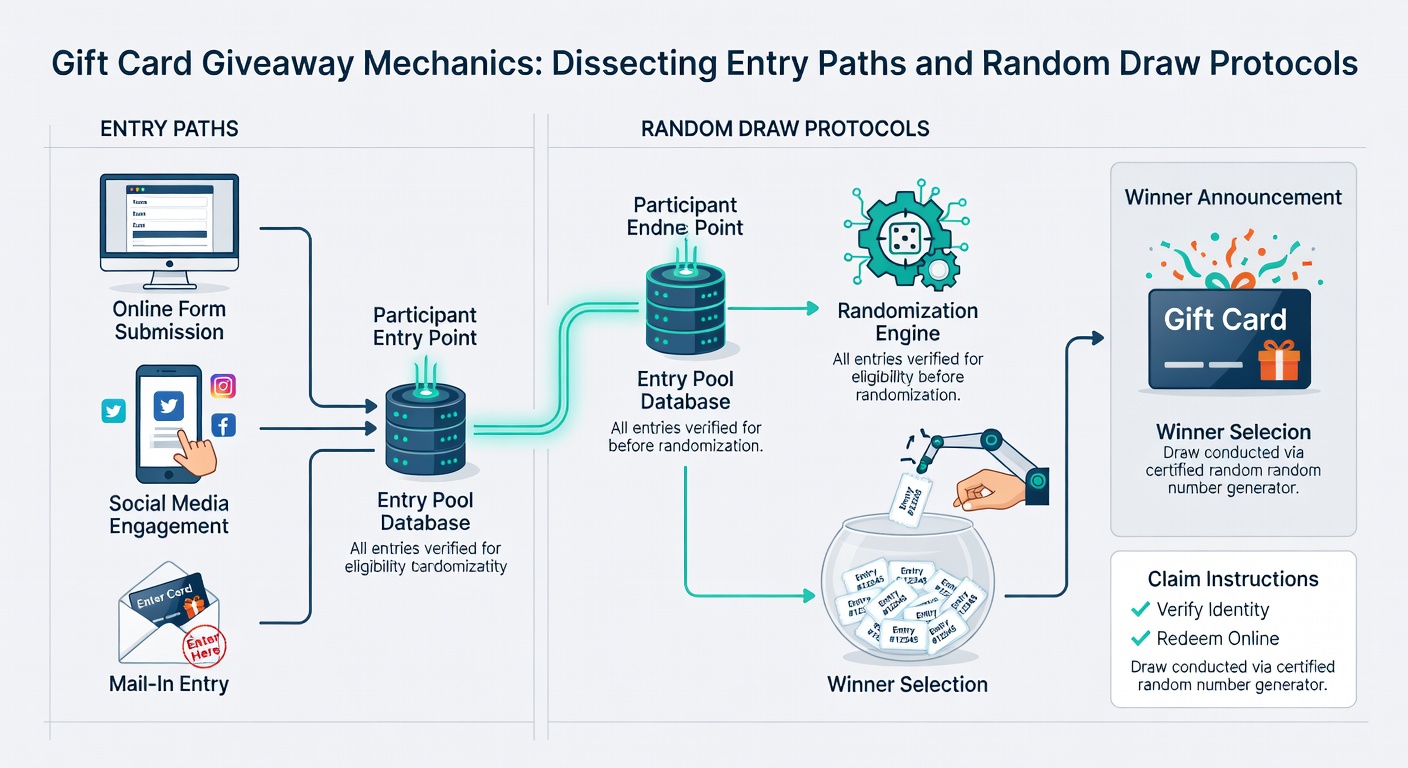
Random Draw Protocols: The Heart of Fair Selection
Once entries flood in, random draw protocols kick off, relying on certified random number generators (RNGs) to pick winners impartially; software like Random.org or proprietary tools assigns each entry a unique ID, then shuffles them virtually before selecting, mimicking a hat draw but at scale for millions. Figures from auditing firms indicate these systems undergo third-party validation, producing verifiable seeds that auditors can replay to confirm results.
Turns out, protocols vary by prize value—low-stakes $25 gift cards might use simple Excel RAND functions audited internally, whereas high-value draws mandate blockchain-secured RNGs, as Australian consumer agencies recommend for transparency. Experts have observed that multi-stage draws, where regional winners feed into nationals, add layers; each stage logs hashes publicly, letting anyone verify without exposing the full list prematurely.
Now, timing matters hugely—draws happen post-deadline, often live-streamed on YouTube for real-time proof, with winners notified within 48 hours via the entry path's contact method; delays trigger backups like secondary draws, all documented to fend off claims of rigging.
Verification and Anti-Fraud Measures in Draws
Post-selection, protocols demand rigorous checks; winners submit ID proofs matching entry details, disqualifying fakes while alternates wait in queue, a process data shows resolves 95 percent of issues swiftly. Researchers dissecting fraud patterns found bots targeting weak paths, so CAPTCHAs and velocity limits—capping submissions per IP—become standard, especially in April 2026's AI-driven landscape where deepfakes challenge verification.
One case saw a brand's $10,000 gift card pool saved by geofencing entries to contest-eligible states, aligning with EU consumer directives that stress localized fairness; tools like Google reCAPTCHA Enterprise flag anomalies, feeding clean data to the RNG. And although manual reviews slow things for tiny teams, cloud services automate most, scaling effortlessly.
It's noteworthy that open-source protocols like those from the Mozilla Foundation gain adoption, offering auditable code that demystifies the black box; participants appreciate when rules link to GitHub repos showing the draw script, building confidence organically.
Case Studies: Real-World Mechanics in Action
Consider a 2025 Starbucks promo dissecting nicely; entrants picked paths via app check-ins or social shouts, funneling 2.5 million tickets into an RNG draw certified by Deloitte, with winners' paths logged publicly—data indicated social entries won 60 percent, highlighting virality's edge without bias. People who've analyzed it note how bonus dailies extended engagement, turning one-offs into habits.
Yet another example from a Canadian retail chain used SMS and web paths exclusively, their protocol featuring a notarized draw video; Competition Bureau filings showed zero disputes, thanks to entry caps at five per person. These cases underscore patterns—strong paths plus robust RNGs equal smooth sails.
By April 2026, expect VR-integrated paths in tech-forward giveaways, where immersive entries feed quantum RNGs for ultra-fairness; early pilots report 30 percent higher retention, as immersive fun hooks users deeper into the mechanics.
Legal Frameworks Shaping Protocols
Regulations worldwide dictate mechanics tightly; US states like Florida require bond postings for prizes over $5,000, tying into draw protocols via affidavits of randomness, while EU's GDPR mandates data handling transparency across entry paths. Observers track how Australia's ACCC enforces no-odds-skewing rules, pushing organizers toward weighted RNGs only for bonus-legit entries.
Compliance tools evolve too—platforms auto-generate rules pages detailing paths and draw dates, with tax forms triggered for winners claiming $600-plus cards. That said, cross-border giveaways layer complexities, often geo-restricting to sidestep variances.
Figures reveal non-compliance hits 12 percent of promos, mostly from murky paths; auditing upfront nips that, ensuring protocols hold water legally.
Conclusion
Gift card giveaway mechanics boil down to smart entry paths feeding ironclad random draw protocols, creating equitable shots at prizes amid booming participation; as April 2026 unfolds with tech upgrades like AI moderation, organizers who master these elements not only comply but captivate, turning casual entrants into loyal fans. Data consistently shows transparent systems foster repeat engagement, while case studies prove the formula works across scales—from boutique shops to global brands. Those diving into this space find the blend of accessibility and auditability keeps the excitement genuine, paving the way for trustworthy promotions that everyone can get behind.